Supreme Court Rejects Plea to Replace Hanging as Death Penalty Method
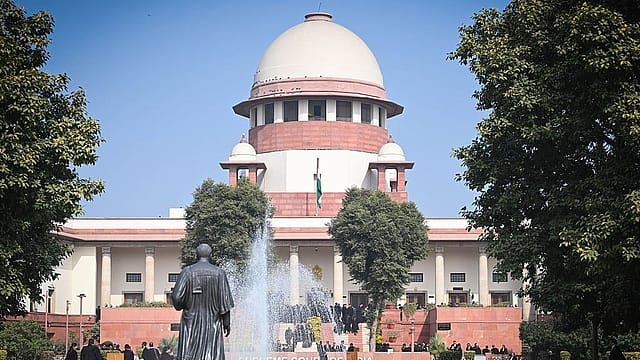
Hanging will remain the prescribed method for executing death sentences in India, with the Supreme Court rejecting a plea that sought its replacement with a less painful alternative.
A bench of Justices Vikram Nath and Sandeep Mehta dismissed the petitions challenging execution by hanging on the grounds that it causes pain and compromises the dignity of death-row prisoners.
The judgment, however, does not shut the debate entirely. The Supreme Court clarified that its decision would not prevent the Centre from conducting a comprehensive review of the existing procedure or examining whether another method could minimise suffering.
The court also left open the possibility of reconsidering the issue if fresh scientific or medical evidence establishes that an alternative method is more humane.

The Health and Wellness Issue
25 Sep 2026 - Vol 05 | Issue 39
The petitioners had urged the court to consider methods such as lethal injection, shooting or electrocution. They argued that the dignity guaranteed to an individual does not disappear after a death sentence has been imposed and that the State must carry out an execution with the least possible pain.
The court declined to prescribe or direct the adoption of any of those alternatives.
The bench had reserved its judgment on January 22 after hearing arguments on whether hanging remains consistent with evolving standards of dignity and reduced suffering.
The case did not challenge the constitutional validity of capital punishment itself. The question before the court was narrower: how a death sentence should be carried out.
Capital punishment continues to form part of India’s criminal justice system for the “rarest of rare” cases. Under the existing framework, a condemned prisoner is executed by hanging until death.
By dismissing the plea, the Supreme Court has allowed that framework to continue. At the same time, it has given the Union government room to constitute an expert body or undertake a wider scientific, medical and legal assessment of alternative methods.
Any future change, the court indicated, would have to rest on credible evidence demonstrating that the alternative causes less pain and better protects the dignity of the condemned prisoner.
The ruling therefore settles the immediate legal challenge without closing the door on reform. Hanging remains the law, but the Centre retains the power to ask whether science can offer a more humane alternative.
(With inputs from ANI)