RBI MPC Meeting Explained: Will Your Home Loan EMI Change This Week?
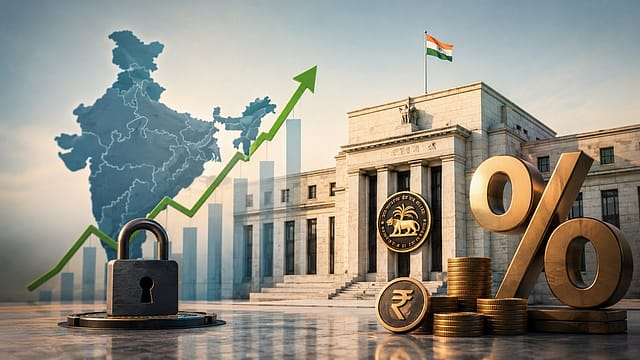
The Reserve Bank of India isn't expected to surprise anyone this week. Most economists believe the central bank will leave interest rates unchanged when the Monetary Policy Committee (MPC) announces its decision after a three-day meeting. But beneath that expected status quo lies a much bigger story.
Inflation is showing signs of firming up. Crude oil prices have climbed after geopolitical tensions in West Asia. The US Federal Reserve remains hawkish. And the monsoon will play a crucial role in determining food prices over the coming months. So, while the repo rate may stay where it is, the RBI's outlook could offer the clearest clues yet on whether cheaper loans are off the table—or whether higher borrowing costs could return later this year.
What is the RBI's MPC meeting?
The Monetary Policy Committee is the six-member panel that decides India's benchmark interest rate, known as the repo rate. Banks use this rate as a reference for lending, making the MPC's decisions important for home loans, car loans, business borrowing, fixed deposits and the broader economy.
What is the market expecting this week?
The broad consensus is that the RBI will keep the repo rate unchanged. Economists say inflation remains manageable for now, but global uncertainties and higher oil prices mean this is not the right time for either aggressive rate cuts or immediate hikes.

The Identity Project
11 Sep 2026 - Vol 05 | Issue 37
Amit Shah leads the mission for a national demographic correction
Why is the RBI expected to stay cautious?
Several factors are pulling policy in opposite directions. Economic growth still needs support, but inflation risks haven't disappeared. Crude oil prices have risen following tensions involving Iran. Food inflation could depend heavily on the progress of the monsoon. At the same time, the US Federal Reserve has maintained a hawkish stance, keeping global financial conditions tight. Taken together, these factors leave little room for bold policy moves.
What does crude oil have to do with your EMI?
India imports most of its crude oil. When oil prices remain high, transportation and manufacturing become more expensive, pushing inflation higher. If inflation stays elevated for a prolonged period, the RBI may eventually have to raise interest rates to keep prices under control. Several economists believe that if crude remains around $90-100 per barrel for an extended period, the chances of a rate hike later this financial year could increase.
What are experts saying?
Market participants broadly expect the RBI to maintain a wait-and-watch approach. Vinay Pai of Equirus Capital says domestic inflation, liquidity and growth—not global central banks—will primarily shape RBI policy. Mandar Pitale of SBM Bank believes growth concerns outweigh inflation for now, making an immediate rate hike unlikely. Maulik Patel of Equirus Securities expects no change this week but believes persistent inflation could pave the way for a 25-basis-point rate hike in December.
What should borrowers watch?
The repo rate itself is only one part of the story. The RBI Governor's comments on inflation, crude oil, liquidity and economic growth often provide stronger signals about the direction of future interest rates. If the central bank sounds more concerned about inflation than growth, markets could begin pricing in higher rates later this year—even if nothing changes this week.
Why should you care about this policy meeting?
The decision may be predictable. The message may not be. For borrowers, businesses and investors, this week's RBI policy is less about whether rates move today and more about whether the central bank believes inflation is returning as a bigger threat than slowing growth.
(With inputs from ANI)