QUICK TAKE | Seven Things to Know About Delhi’s Air Pollution and Vehicle Crackdown
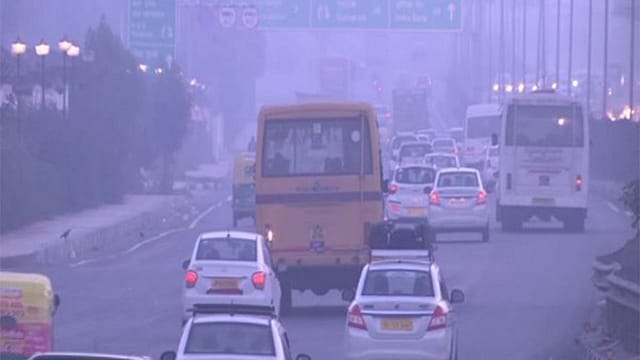
1. Why is Delhi’s air in the news?
Several locations recorded “Very Poor” air quality on Monday morning, according to readings carried by ANI. Rohini registered 396, Alipur 375 and Vivek Vihar 370. Akshardham and ITO were reported at 349 each.
2. Does an AQI of 428 mean “hazardous”?
On CPCB’s Indian AQI scale, 428 falls in the “Severe” category. “Very Poor” covers 301–400; “Severe” covers 401–500. “Hazardous” is not one of CPCB’s six category labels. The scale matters when comparing pollution reports.
3. Which other areas recorded high readings?
ANI reported Narela at 363, Chandni Chowk at 358, Jawaharlal Nehru Stadium at 343 and Burari at 308. All fall in the “Very Poor” band. These are location-specific readings, rather than interchangeable measures of Delhi’s citywide air quality.
4. Were any areas breathing clean air?
The lower readings listed were still in the “Poor” category: Aya Nagar at 276, IGI Airport Terminal 3 at 263 and Anand Vihar at 242. A better number than Rohini’s does not mean clean air.

The Era of Forever Wars
30 Oct 2026 - Vol 05 | Issue 44
Coping with an explosive Middle East
5. What does “Severe” air mean for health?
CPCB says this category can affect healthy people and seriously harm those with existing lung or heart disease. Its guidance warns that effects may occur even during light physical activity. “Very Poor” air can cause respiratory illness with prolonged exposure.
6. What are enforcement teams checking?
Delhi Environment Minister Manjinder Singh Sirsa said teams checked 14,930 vehicles, issued 566 challans for Pollution Under Control Certificate violations and inspected 300 sites on November 1. The drive targets vehicle emissions, entry restrictions and construction dust.
7. How many vehicles were turned back?
Delhi Traffic Police separately reported checking 7,279 vehicles between midnight and 8 pm on November 1. They turned back 714, impounded 38 and issued 10 challans. These figures should not be added to the minister’s tally without establishing whether the operations overlap.