PM Modi at Somnath: Rituals, Heritage, and the 1000-Year Historical Context
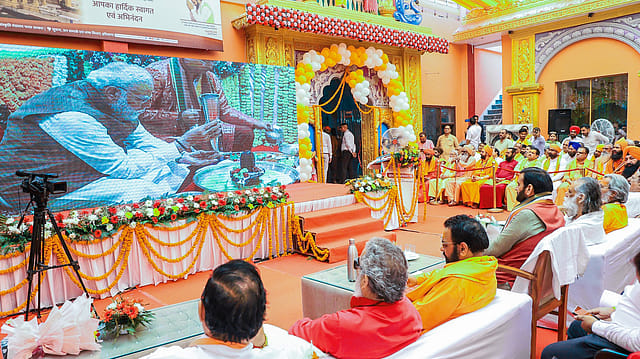
Prime Minister Narendra Modi on Monday took part in the ‘Somnath Amrutparv-2026’ celebrations at the iconic Somnath Temple, marking 75 years since the reconstruction of one of India’s most revered shrines. The ceremony blended spirituality, history, and symbolism, underscoring the temple’s enduring place in India’s cultural identity.
What is ‘Somnath Amrutparv-2026’ and why is it important?
‘Somnath Amrutparv-2026’ commemorates 75 years of the reconstruction of the Somnath Temple, an event widely seen as a milestone in India’s post-independence cultural revival. As described, “‘Somnath Amrutparv-2026’ is being celebrated in the divine presence of Lord Somnath Mahadev, a symbol of India's cultural pride and heritage.”
The temple itself holds immense religious importance as one of the twelve Jyotirlingas of Lord Shiva, making the occasion both spiritually significant and historically symbolic.
How was PM Modi welcomed at the temple?
The Prime Minister received a ceremonial welcome steeped in tradition and cultural diversity. According to the Gujarat Chief Minister’s Office, he was greeted with performances near the entrance, alongside a themed sand sculpture dedicated to Somnath. The atmosphere was heightened by the beats of Nashik drums and the presence of 75 drummers.
A group of around 100 women and girls dressed in traditional attire welcomed him with Amrut Kalash carried on their heads, creating a striking visual that blended devotion with ritualistic grace.

Open Minds 2026
26 Jun 2026 - Vol 05 | Issue 26
The power of ideas and arguments in 50 portraits
What rituals and ceremonies did PM Modi perform?
Before entering the temple, Modi paid floral tributes to Sardar Vallabhbhai Patel, recognised as the architect of a united India and a key figure behind the temple’s reconstruction.
He then proceeded through the Digvijay Dwar amid the sounds of conch shells and damaru, participating in a symbolic ‘Bell Walk’ before entering the sanctum. Inside, he performed Mahapuja according to Vedic traditions and offered prayers for national progress and citizens’ well-being.
The ceremony also included the Kumbhabhishek and a flag-hoisting ritual at the shrine. In a dramatic visual moment, flower petals were showered over the temple spire by Indian Air Force helicopters, reinforcing the grandeur of the event.
What role did the Indian Air Force play in the celebrations?
The celebrations extended to the skies, where the Indian Air Force conducted a ceremonial display. Petal showers from Chetak helicopters added a divine aura, while the Suryakiran Aerobatics Team performed an air show that captivated attendees along the Somnath coast.
How does this connect to India’s broader cultural narrative?
The Somnath celebrations are part of a larger initiative called the Somnath Swabhiman Parv, which reflects on India’s civilisational resilience. The series also commemorates 1,000 years since the first attack on the temple by Mahmud of Ghazni in 1026.
By linking past destruction with modern restoration, the event highlights what organisers describe as the enduring spirit of India’s civilisation and its cultural and spiritual continuity.
The Prime Minister also toured an exhibition showcasing the temple’s rich history and legacy. Gujarat Chief Minister Bhupendra Patel and other state leaders were present during the event, reinforcing its political and cultural significance.
(With inputs from ANI)