Jaishankar Pays Tribute to 26/11 Victims, Reaffirms India’s Zero-Tolerance Policy on Terrorism
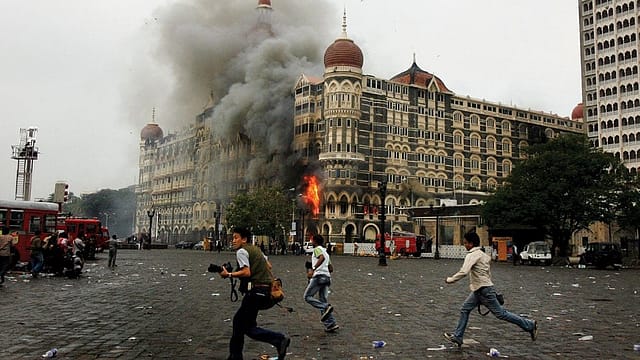
External Affairs Minister S Jaishankar on Thursday paid tribute to the victims of the 26/11 Mumbai terror attacks, remembering the innocent lives lost and the security personnel who made the supreme sacrifice while defending the city.
Marking 18 years since the attacks, Jaishankar reiterated India’s commitment to combating terrorism and ensuring that those involved are brought to justice.
“Remember innocent lives lost and salute the brave security personnel who made the supreme sacrifice during 26/11 Mumbai terror attacks. Committed to combating terrorism in all its forms and manifestations and bringing those involved to justice. Zero tolerance for terrorism,” he wrote in a post on X.
THE 26/11 ATTACKS
The attacks began on the night of November 26, 2008, when 10 terrorists belonging to the Pakistan-based Lashkar-e-Taiba (LeT) entered Mumbai by sea and launched coordinated strikes at several locations across the city.

Anatomy Of A Stillborn Revolution
20 Nov 2026 - Vol 01 | Issue 01
Whatever Happened To The Cockroach Janta Party?
Over the next four days, the attacks claimed 166 lives and left around 300 people injured, sending shockwaves across India and the world.
The terrorists targeted some of Mumbai’s busiest locations, including the Taj Mahal Palace Hotel, the Oberoi-Trident Hotel, Chhatrapati Shivaji Maharaj Terminus, Nariman House, Cama Hospital, Metro Cinema and Leopold Cafe. Several of these sites were frequented by foreign visitors and local residents.
A CITY THAT REMEMBERS
The attacks left a lasting mark on Mumbai and the families of those killed. Bullet marks at locations such as Leopold Cafe and Nariman House continue to serve as reminders of the violence.
The sacrifice of Assistant Sub-Inspector Tukaram Omble, who helped capture the lone surviving terrorist, Mohammad Ajmal Amir Kasab, also remains central to the memory of the attacks. Omble was killed while overpowering Kasab.
Nine of the 10 terrorists were killed during the security operations, while Kasab was captured alive. In May 2010, he was sentenced to death. He was hanged at Pune’s Yerawada Central Jail on November 21, 2012.
The 26/11 attacks remain one of the deadliest terrorist strikes in India’s history.
With inputs from ANI