QUICK TAKE | The 'Arohara' Row: Seven Things To Know About The Controversy Involving Tamil Nadu CM Vijay
1. What is the Arohara controversy?
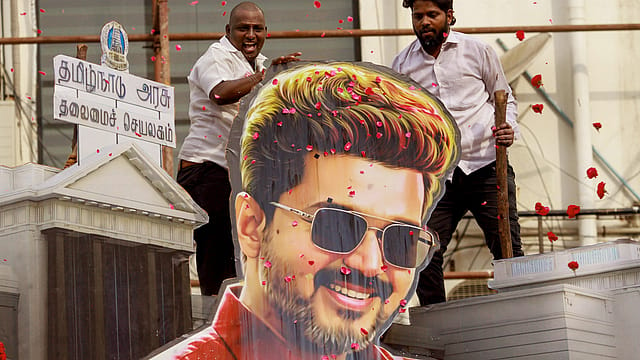
A devotional chant traditionally associated with Lord Murugan has become the centre of a political controversy in Tamil Nadu after it was used to praise Chief Minister C Joseph Vijay and Hindu Religious and Charitable Endowments (HR&CE) Minister S Ramesh at a temple festival.
2. What does Arohara mean?
'Arohara', also spelt 'Arogara', is a traditional invocation associated with Lord Murugan. The chant 'Vetrivel Muruganukku Arohara' expresses devotion to the deity and his victorious spear. It is commonly heard during festivals such as Kanda Sashti and Thaipusam.
3. Where did the incident take place?
The controversy erupted on November 15 during the Soorasamharam celebrations at the Tiruchendur Murugan Temple in Thoothukudi district. The ritual marks Lord Murugan's victory over the demon Surapadman and is the culmination of the six-day Kanda Sashti festival. Lakhs of devotees gathered to witness the event.
4. Who used the chant to praise Vijay?
Playback singer and folk artiste Velmurugan, who was part of the devotional music and commentary programme organised for the event, first led the traditional chant for Lord Murugan before extending it to Vijay and HR&CE Minister Ramesh. The episode was captured on video and circulated widely.
Anatomy Of A Stillborn Revolution
20 Nov 2026 - Vol 01 | Issue 01
Whatever Happened To The Cockroach Janta Party?
5. Why did political parties object?
The DMK and BJP, despite being political rivals, found common ground in criticising the incident. Former HR&CE Minister P K Sekar Babu called it an attempt to turn a devotional event into a political stage. BJP leaders, including K Annamalai, demanded an apology and action, arguing that a religious invocation should not be used to glorify politicians. Hindu organisations also filed police complaints, saying the act hurt devotees' sentiments.
6. How did the Vijay government respond?
HR&CE Minister S Ramesh said neither Vijay nor the government encouraged such displays of personal glorification. The singers were asked to explain their conduct and reportedly expressed regret, promising not to repeat it. Velmurugan subsequently said the chant had been extended inadvertently and apologised. The Tiruchendur temple administration later directed artistes to restrict performances at religious programmes to devotional content and avoid praising individuals.
7. Is this the first time Tamil Nadu has seen such musical tributes to political leaders?
No. Tamil Nadu has a long history of political personality cults, particularly around charismatic leaders. In 2005, Carnatic music maestro M Balamuralikrishna composed a new raga, 'Jaya Jaya Lalithe', in honour of then Chief Minister J Jayalalithaa. The composition was unveiled at a function marking his 75th birthday.