Indians to Spend More on Travel and Experiences Than Physical Goods by 2030: CBRE
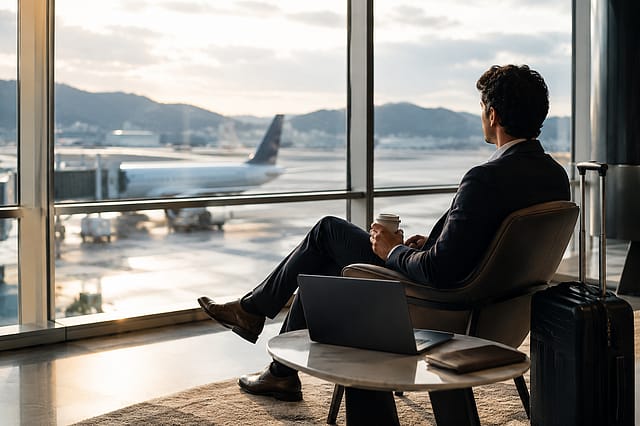
Indian consumers are increasingly prioritising experiences over material possessions, with spending on travel, hospitality, dining and leisure projected to grow faster than expenditure on physical goods over the next five years, according to a new report by CBRE.
Experience-Led Spending Gains Momentum
The report highlights a significant shift in consumer behaviour, particularly among younger generations, who are placing greater value on experiences such as cultural activities, recreation, travel and hospitality.
According to CBRE, household spending on physical goods is expected to grow at a compound annual growth rate (CAGR) of 9.1 per cent between 2025 and 2030. In contrast, broader experiential spending is projected to expand at a faster CAGR of 10.3 per cent during the same period.
It stated, "Growth in spending on experiences outpaces purchases of physical goods..... This trend is here to stay, with Asia Pacific spending on experience (+7.3 per cent CAGR) projected to be faster than that for physical goods (+6.5 per cent CAGR) over the next five years".
Greening the Future
23 Jul 2026 - Vol 05 | Issue 30
Securing a sustainable India
Among the various experience-driven categories, hotel accommodation is expected to emerge as one of the strongest performers, with spending forecast to grow at a CAGR of 10.6 per cent through 2030.
Gen Z Driving the Shift in Consumer Preferences
CBRE noted that the transition towards experience-led consumption accelerated significantly following the COVID-19 pandemic. Pent-up demand and a desire to make up for missed opportunities have continued to support spending on travel, hospitality and leisure activities since 2022.
The report identified Generation Z—those born between 1997 and 2012—as a major force behind this trend. As the largest demographic group in the Asia-Pacific region, Gen Z's influence on consumer spending is expected to grow rapidly as more individuals achieve financial independence.
According to the report, younger consumers increasingly favour personalised and immersive experiences. Their travel choices often revolve around curated design-focused environments, tailored services and community-oriented spaces offering activities such as wine tastings, acoustic performances and local cultural events.
CBRE also noted that wellness-focused amenities and integrated technology are becoming standard expectations for younger travellers. Features such as self-check-in systems and smart-room automation are increasingly viewed as essential rather than premium offerings.
Lifestyle Hotels Outpace Broader Hospitality Sector
The report highlighted the strong performance of lifestyle hotels across the Asia-Pacific region over the past decade.
Between 2015 and 2025, overall hotel supply in the region expanded at a CAGR of 5 per cent. In comparison, lifestyle hotels recorded a substantially higher growth rate of 19 per cent during the same period.
Looking ahead, CBRE expects this trend to continue. The supply of lifestyle hotels is projected to grow at a CAGR of 10 per cent through 2030, significantly outpacing the broader hotel market, which is expected to expand at a CAGR of just 2 per cent.
The findings underscore a broader transformation in consumer priorities, with experiences increasingly becoming a central component of spending decisions in India and across the Asia-Pacific region.
(With inputs from ANI)