India Spreads its Energy Bets: LNG Sources Jump From 6 Countries to 15
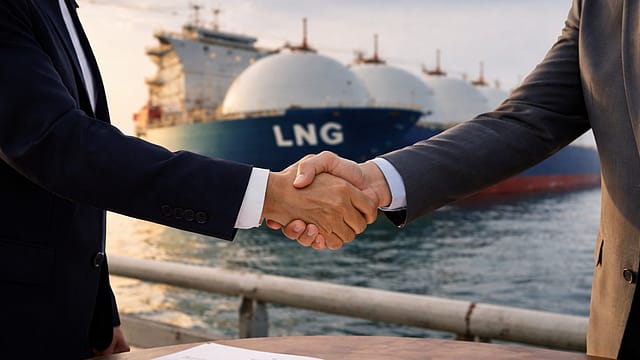
India is widening the net.
The country now sources LNG from 15 countries, up from six, as it tries to reduce the risk of a supply shock caused by geopolitical tensions, disrupted shipping routes and volatility in global energy markets. At the same time, India's crude oil sourcing base has expanded from 27 countries to 41, the government told the Rajya Sabha on Monday. The message is simple: don't put all your energy eggs in one basket.
Why is India diversifying its LNG suppliers?
Because energy security is increasingly about where the fuel comes from and how it gets here. The Petroleum and Natural Gas Ministry said the wider sourcing network reduces India's dependence on any single country, region or transit route and gives it greater flexibility when geopolitical disruptions hit global supplies. The government said it is continuously monitoring global supply conditions in consultation with public-sector oil and gas companies and other stakeholders.
Rise of the Pivotal Power
18 Sep 2026 - Vol 05 | Issue 38
The BRICS declaration is a strategic victory for Modi
What has happened to India's crude sourcing?
The crude portfolio has also become significantly broader. India now sources crude from 41 countries, compared with 27 earlier. That diversification matters because disruptions in one producing region or shipping corridor can quickly ripple through global oil markets.
Is India also building an emergency oil cushion?
Yes. India already has three strategic petroleum reserve facilities, in Andhra Pradesh and Karnataka, with a combined capacity of 5.33 million tonnes of crude oil. The government has also approved two additional commercial-cum-strategic facilities in Odisha and Karnataka, adding another 6.5 million tonnes of planned storage capacity. But there is a catch. Those 6.5 million tonnes are not yet available for use. The projects at Chandikhol in Odisha and Padur in Karnataka were approved in 2021, but the government's latest response did not provide construction progress, completion timelines or commissioning dates.
Is more strategic storage coming?
ONGC is separately developing a 1.75-million-tonne strategic petroleum reserve facility in Karnataka. The government has said half of that capacity will be reserved for strategic storage, while the other half will be available to ONGC for commercial operations.
What is India really trying to achieve?
A bigger safety net. More suppliers. More routes. More storage. The government says the broader sourcing network has already reduced India's exposure to individual countries and transit routes. But as geopolitical tensions continue to put pressure on global energy flows, the real test will be whether India's diversification strategy can keep fuel flowing when the world's major energy corridors come under stress.
(With inputs from ANI)