The E100 Dilemma: Green Light, Long Road
India’s decision to clear the regulatory path for E100-capable cars deserves a welcome, not a victory lap. By recognising E100 alongside E85 in vehicle-emission certification provisions, the government has removed an obstacle for manufacturers preparing high-ethanol models. But permission to launch is not proof of readiness to scale. The real test begins beyond the notification—at dealerships, fuel stations and the household budget.
The amendment to the Central Motor Vehicles Rules, dated October 23 and published on October 26, gives manufacturers a clearer framework for certifying vehicles capable of using fuel containing up to 100 per cent ethanol. Crucially, this is not an instruction to pour E100 into existing petrol cars. Only specially designed and certified flex-fuel vehicles qualify; ordinary petrol and E20-compatible vehicles cannot simply graduate to higher blends. Existing owners are not being ordered to convert. That distinction must anchor public communication.

The Wealth Issue 2026
06 Nov 2026 - Vol 05 | Issue 45
Portraits of Dreamers and Doers under 35
The strategic attraction is understandable. Substituting domestically produced ethanol for petrol offers a route to reducing dependence on imported crude while expanding demand for agricultural feedstocks. Regulatory clarity also lets manufacturers plan products and investment against recognised standards rather than an uncertain rulebook. Yet an industrial-policy opportunity must ultimately become a credible consumer proposition. National energy security may sell the idea; ownership economics must sell the car.
That means putting affordability ahead of applause. Ethanol contains less energy per litre than petrol, although the mileage outcome depends on the blend and engine optimisation. A cheaper litre, therefore, need not deliver a cheaper kilometre. Buyers deserve comparable, independently tested figures for running costs, not selective pump-price comparisons. Manufacturers should disclose vehicle premiums, fuel-specific efficiency and warranty coverage clearly enough for households to calculate whether the switch makes financial sense.
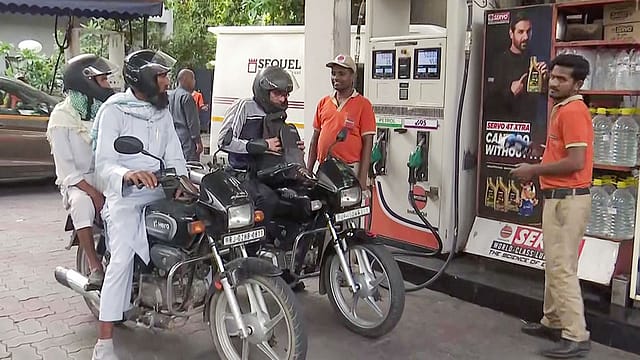
Availability is the other missing bridge. Regulatory recognition does not create nationwide E100 retail supply. A car capable of using a new fuel is only as useful as the network supporting it. Before launches gather momentum, oil marketers and manufacturers should publish credible rollout maps, supply commitments and service-readiness plans. Early adoption needs dependable routes and reliable pumps, not merely a ceremonial first fill. Otherwise, the burden of discovering the ecosystem’s gaps will fall on the customer.
Nor should “biofuel” become shorthand for environmental innocence. Ethanol’s climate performance must be assessed across cultivation, processing, transport and combustion—not through the tailpipe alone. Feedstock choices matter, too. NITI Aayog’s ethanol roadmap flags sugarcane’s heavy water
demand and encourages less water-intensive crops and second-generation sources. Scaling ethanol responsibly therefore requires scrutiny of water use and agricultural choices, alongside credible lifecycle-emissions accounting. Reducing oil dependence should not mean ignoring pressures elsewhere.
The government has opened a door; it should now insist on a transparent passage through it. Clear fuel labelling, published mileage tests, enforceable warranties and realistic infrastructure milestones would make this transition more trustworthy. E100 should earn its place through measurable benefits, not patriotic obligation or green branding. A successful launch will put cars in showrooms. A successful policy will give motorists a dependable, competitively priced reason to drive them home.