India Pushes for Safe Shipping, Grain Exports and Energy Protection in Ukraine War: Jaishankar
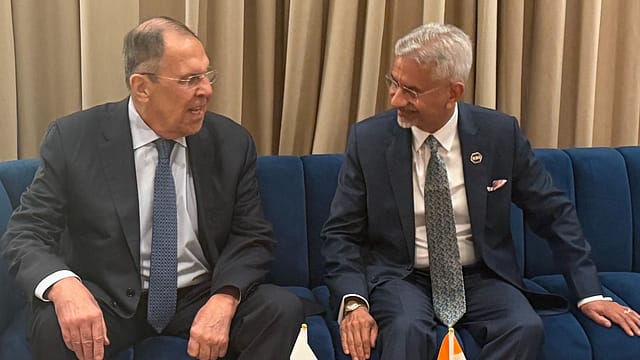
India is pursuing discussions with Russia and Ukraine to prevent attacks on civilian shipping, restore grain exports through the Black Sea and protect energy infrastructure, External Affairs Minister S Jaishankar said on Saturday.
Speaking to ANI on the sidelines of the G20 foreign ministers’ meeting in Atlanta, Jaishankar outlined three areas of diplomatic engagement. He said Prime Minister Narendra Modi had discussed the conflict with Russian President Vladimir Putin in New Delhi and, before that, in Bishkek.
Jaishankar said his own engagements included visits to Moscow and Kyiv, along with discussions with Russian Foreign Minister Sergey Lavrov. India has also been consulting European countries and coordinating with Washington’s peace initiative.
“We have also been coordinating this with the Americans because they have their own peace mediation initiative. So Secretary Rubio knows properly what is going on here,” he said.

The Era of Forever Wars
30 Oct 2026 - Vol 05 | Issue 44
Coping with an explosive Middle East
Shipping, grain and energy on the agenda
Jaishankar said the first priority was to prevent attacks on civilian ships and seafarers.
The second was to restore grain shipments from Russia and Ukraine, both major suppliers to global markets. He said flows through the Black Sea had fallen sharply, making their restoration an important part of the discussions.
The third area concerned attacks on energy infrastructure and shipments, including refineries, electricity grids and vessels carrying fuel.
“Non-attack on energy is probably the most complicated piece because it means different things to the different players,” Jaishankar said.
He said India was trying to bring the sides together on these issues but declined to disclose the current state of the discussions. He did not announce an agreement.
Developing economies face the fallout
At the G20 meeting, Jaishankar reiterated India’s call for diplomacy to address conflicts with consequences beyond their immediate regions.
“There are no military solutions; we have to find a diplomatic pathway,” he said.
During discussions on food and energy security, he warned that disruptions to fuel distribution and the politicisation of energy flows were hurting developing economies.
“This distortion of the energy markets, the politicisation of energy flows, this is something which is very harmful,” he said, adding that the Global South was bearing the brunt of energy shortages.
He also raised concerns about disrupted Black Sea grain shipments and fertiliser shortages aggravated by tensions along the Persian Gulf and Red Sea corridors.
Call for more diversified supply chains
In the concluding session, Jaishankar called for a wider spread of global production and manufacturing to make supply chains more resilient.
Writing on X after the session, he advocated the “right to industrialise”, resistance to “predatory practices” and the “de-politicisation of markets”.
US Secretary of State Marco Rubio, who hosted the meeting, also stressed the importance of secure supply chains and keeping the Strait of Hormuz and the Bab al-Mandeb Strait open to commercial traffic.
Jaishankar separately met Lavrov to discuss the Ukraine conflict, the Gulf situation and multilateral issues. He also attended a Quad foreign ministers’ meeting with Rubio, Japanese Foreign Minister Toshimitsu Motegi and Australian Foreign Minister Penny Wong.
With inputs from ANI