From 27 to 41 Nations: Spotlight on India’s Big Crude Diversification Move
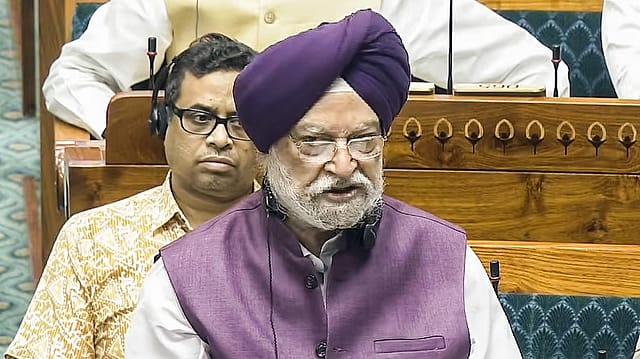
Amid a volatile global energy landscape, India managed to cushion consumers from the worst effects of rising fuel prices. Union Petroleum Minister Hardeep Singh Puri has outlined how diversification, policy decisions, and coordinated action helped the country navigate the crisis.
How did India expand its crude sourcing during the energy crisis?
India significantly broadened its crude oil sourcing network as part of a long-term strategy to strengthen energy security. The number of supplier countries rose from 27 to 41, reducing dependence on any single region.
Explaining the rationale, Puri said, "Because preparations made over the last 10 years, the decade, came into play exactly when they were needed. We diversified our sources; crude sourcing has now expanded from 27 countries to 41."
He also highlighted diversification in LPG imports, noting, "We started procuring LPG from the US, Norway, Algeria, apart from the Middle East."
How did the government shield consumers from rising fuel prices?
Instead of passing on the full burden of rising global crude prices to consumers, the government absorbed much of the shock at the fiscal level.
"What has happened during this energy crisis in India, it happened because the Govt absorbed the shock at the fiscal system level rather than passing it immediately on to the consumer's wallet," Puri said.
He further elaborated, "When crude prices moved up sharply, our oil marketing companies carried under recoveries that would normally have translated into a direct retail increase. Excise duty was cut, export levies were used to keep Indian products in Indian markets.”

Global By Design
29 May 2026 - Vol 04 | Issue 73
Is the future of fashion Indian?
As a result, fuel prices remained relatively stable. "The consequences is visible. As of late April, petrol in Delhi remains at Rs 94.77 per litre and diesel at Rs 87.67 per litre," he added.
What role did domestic production and consumption shifts play?
India also focused on boosting domestic output and optimising energy use. Refinery operations were adjusted to increase LPG production significantly.
"Orders were issued to maximise LPG yield at refineries, and we increased our domestic production by 60%. From 36,000 MT per day to 54,000 MT per day," Puri said.
At the same time, consumption patterns evolved, with a gradual shift towards cleaner fuels.
"Out of a total daily consumption of 90,000, which we also brought down because we are shifting from LPG to LNG, that is pipe gas, and also because we are incentivising the movement to natural gas," he added.
How did coordination and crisis response mechanisms help?
A coordinated, multi-agency response was key to managing supply disruptions during the crisis.
"Operation Urja Suraksha was a coordinated response across companies, ministries, state govts and international suppliers," Puri said, adding that "maximum vessels of India carrying LPG came out of the Hormuz.”
The government also ensured uninterrupted supply to households and key industries.
He underlined that "we kept the kitchen fire in 33 crore kitchens burning through thoughtful allocation," and added that "today, commercial LPG is at about 70% of pre-crisis levels, with priority to labour-intensive sectors like steel, automobiles, textiles, dyeing, chemicals and plastics."
(With inputs from ANI)