Explained: How India’s ‘data-first’ strategy is transforming oil and gas exploration
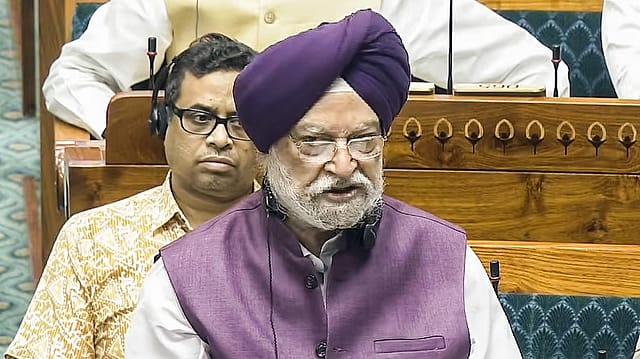
India is moving away from what has traditionally been a high-risk, uncertain model of oil and gas exploration and replacing it with a data-driven strategy. Union Minister Hardeep Singh Puri described this shift as a move “from blind exploration to data-driven discovery,” signalling a structural change in how the country approaches offshore energy resources.
In a post on X, Puri said, "From blind exploration to data-driven discovery, India is ready. At today's Data-Led Exploration Conference, we reaffirmed a simple truth: exploration succeeds when knowledge is shared, not siloed."
The idea is simple: instead of relying on isolated efforts and limited datasets, India wants to create a system where multiple players can access and interpret high-quality geological and seismic data, improving the chances of discovery.
What is the ‘multi-client model’ and why does it matter?
At the core of this strategy is the adoption of a “multi-client” data ecosystem. Under this model, multiple companies can purchase and use shared datasets rather than each firm independently collecting expensive seismic data.
Puri emphasised this shift, noting that India is “embracing a bold multi-client model that allows more minds to interpret, innovate, and discover.”
This approach reduces duplication of effort, lowers costs, and increases participation from global and domestic players. It also opens the door to innovation, since more analysts and companies can work on the same data to generate insights.

Open Minds 2026
26 Jun 2026 - Vol 05 | Issue 26
The power of ideas and arguments in 50 portraits
How does ‘Samudra Manthan’ fit into this strategy?
The broader policy framework guiding this transformation is the Samudra Manthan – National Offshore Mission. It aims to unlock India’s vast offshore energy reserves through collaboration, transparency, and advanced technology.
Puri highlighted this initiative in his post, saying, "With #SamudraManthan, we are unlocking India's vast offshore potential with openness, collaboration, and cutting-edge science under the decisive and visionary leadership of PM Sh @narendramodi Ji."
The mission represents a coordinated push to reduce India’s dependence on energy imports and move closer to energy self-reliance.
Why is data so critical for exploration success?
A key takeaway from the “Data Driven Exploration” conference was that the availability and quality of seismic data directly influence exploration outcomes. Participants pointed out that gaps in data coverage—especially in deepwater and frontier basins—remain a major bottleneck.
Without reliable data, companies face higher risks and are less likely to invest. By improving data access and quality, the government hopes to attract more investment and accelerate discoveries.
Who are the key players involved in this initiative?
The conference brought together a wide range of stakeholders, including government bodies, national oil companies, global energy majors such as BP, ExxonMobil and Shell, and private Indian firms like Reliance Industries, Cairn India, Invenire Energy, and Adani Welspun Exploration.
Seismic service providers and technology firms also participated, highlighting the importance of advanced data acquisition and processing technologies in modern exploration.
What changes are being proposed to strengthen the ecosystem?
Discussions at the conference focused on building a stronger data ecosystem through policy support, investment, and improved frameworks for data access. There was also emphasis on faster seismic data acquisition aligned with upcoming licensing rounds.
Proposals include creating a prioritised roadmap for data collection, reprocessing existing datasets to extract more value, and developing commercial frameworks that encourage wider participation in exploration activities.
What does this mean for India’s energy future?
By shifting to a data-first model, India is attempting to de-risk exploration and make it more attractive to investors. The approach could significantly improve the success rate of offshore discoveries and reduce reliance on imported energy.
As Puri put it, "The more eyes on the data, the greater the possibilities beneath our seas."
This reflects a broader belief that collaboration and information-sharing—not secrecy—will drive the next phase of India’s energy growth.
(With inputs from ANI)