El Niño Threatens the World’s Rice Bowl: Global Output Could Fall by 9 Million Tonnes
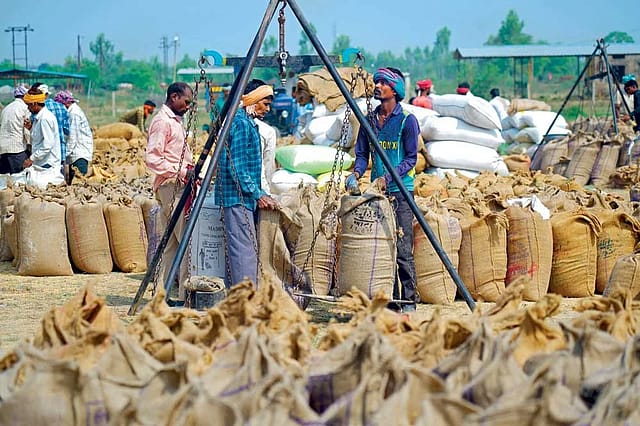
The world's rice market could be heading into a rougher year. Global production is projected to fall by 9 million tonnes to 536.4 million tonnes in the 2026-27 marketing year, according to S&P Global projections cited by the Indian Rice Exporters' Federation.
The biggest wildcard is the weather. A potentially strong El Niño, combined with higher farm and transportation costs and geopolitical tensions, could disrupt planting and crop development across some of the world's biggest rice-producing regions.
Why is El Niño worrying rice markets?
Because its effects could arrive at exactly the wrong time. The outlook covers major rice producers and consumers including India, Pakistan, Thailand, Vietnam, Indonesia, China, Myanmar and the Philippines. The concern is not identical everywhere. Some regions could face water shortages, others changes in acreage or adverse weather during planting and growing seasons.

Rise of the Pivotal Power
18 Sep 2026 - Vol 05 | Issue 38
The BRICS declaration is a strategic victory for Modi
According to the projections cited by IREF, the US National Oceanic and Atmospheric Administration's Climate Prediction Center had estimated in July a 97% probability of El Niño persisting into early 2027, with an 81% chance of it becoming very strong during October-December 2026. If the pattern persists through April 2027, its impact could stretch across multiple stages of the rice-growing cycle.
Will the world run out of rice?
Not immediately. Despite the projected production decline, global rice exports are expected to remain relatively stable because of strong carry-in stocks from 2025-26. But demand is moving in the opposite direction. Global rice imports are projected to rise by nearly 4 million tonnes to 59.7 million tonnes, as countries look to secure supplies against potential harvest disruptions.
What happens to rice stocks?
The global stock-to-use ratio is projected to fall to 36%. That is still considered comfortable by historical standards, according to the IREF release. But the declining cushion means the market could become more sensitive to weather shocks, supply disruptions and sudden buying.
Could rice prices rise?
The pressure is already beginning to show. Rice prices in several major exporting countries have started reflecting concerns about weather risks and a tighter supply-demand balance. And the problem isn't only El Niño. Higher fertiliser, fuel and transportation costs, linked in part to continuing geopolitical tensions in the Middle East, could raise the cost of getting rice from farms to global markets.
Why does this matter for India?
India is one of the world's major rice producers, exporters and consumers, so any significant change in global production, trade flows or prices could have implications well beyond farmers and exporters. The coming year could therefore see countries competing not just to sell rice, but to secure it. For now, global stocks provide a cushion. But if El Niño delivers the shock forecasters fear, that cushion could get a lot thinner, a lot faster.
(With inputs from ANI)