Dhruv Rathee faces non-bailable warrant: The 2018 video behind the 8-year-old defamation case
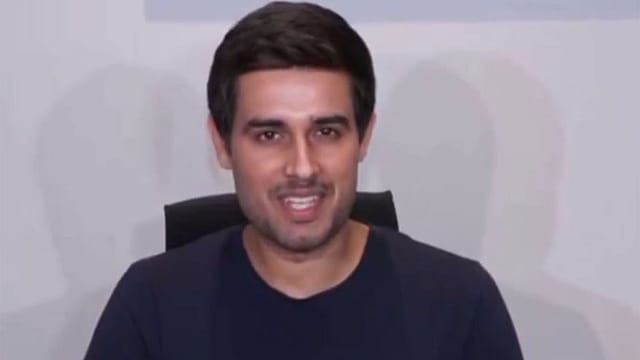
A video uploaded in 2018 has returned to the courtroom spotlight. On November 23, a Saket court in Delhi issued a non-bailable warrant (NBW) against YouTuber Dhruv Rathee after repeated attempts to secure his appearance in a criminal defamation case failed. The matter is scheduled to be heard again on December 3.
The case, filed by Vikas Sankrityayan, also known as Vikas Pandey, centres on a video titled BJP IT Cell Part 2. Here is what happened and why the latest order matters.
What is the Dhruv Rathee defamation case about?
The dispute began in May 2018, when Rathee uploaded a video alleging that members of the Bharatiya Janata Party's Information Technology cell had attempted to bribe Pandey to defame him. Pandey, who is associated with the social media page 'I Support Narendra Modi', alleged that the claims damaged his reputation.

The Wealth Issue 2026
06 Nov 2026 - Vol 05 | Issue 45
Portraits of Dreamers and Doers under 35
The video was subsequently shared on Rathee's social media account and retweeted by Arvind Kejriwal, who was then the Chief Minister of Delhi. Pandey initiated criminal defamation proceedings against both men, arguing that the allegations circulated about him were defamatory.
These remain allegations at the centre of a pending case; the court has not established that the claims in the video were false or that Rathee is guilty of defamation.
Why has a Delhi court issued a non-bailable warrant now?
The latest order follows several unsuccessful attempts to serve court notices and warrants on Rathee. The court had initially summoned him in July 2019, but the proceedings struggled to move forward because the summons could not be served.
In October 2026, the complainant sought quicker action, arguing that Rathee generally resides abroad and that the delay in serving him had prolonged the case. The court directed fresh summons to his Gurugram address.
A bailable warrant was issued on October 17 after a process server reported that the residence was locked. The Hindustan Times subsequently reported that another bailable warrant was issued on October 31 after the earlier warrant had been sent to an incorrect address in Austria.
According to IANS, the October 31 warrant, too, could not be executed. The court has now escalated the process by issuing a non-bailable warrant.
What is the difference between a bailable and a non-bailable warrant?
A bailable warrant allows the person named in it to secure release by furnishing bail in accordance with the warrant's terms. A non-bailable warrant is a more coercive direction to arrest and produce the person before the court; it does not mean bail is legally impossible.
Importantly, the issuance of an NBW is a procedural step to secure a person's presence. It is not a conviction, nor does it establish the truth or falsity of the original allegations.
What is Arvind Kejriwal's role in the case?
Kejriwal was also named in the defamation proceedings because he had retweeted Rathee's video. The matter reached the Supreme Court after the Delhi High Court declined to quash the summons against him.
In February 2024, Kejriwal told the Supreme Court that sharing the video had been a mistake. The apex court stayed the trial proceedings against him while considering his challenge to the case. This development concerns Kejriwal's proceedings and should not be confused with the separate warrant now issued against Rathee.
What happens next in the Dhruv Rathee case?
The Saket court has listed the matter for December 3. The immediate question is whether the non-bailable warrant can be executed and Rathee's presence secured. The underlying criminal defamation complaint, meanwhile, remains pending.
(With inputs from ANI)