Delhi EV Policy 2026 Aims to Cut Costs, Boost Adoption: CM Rekha Gupta
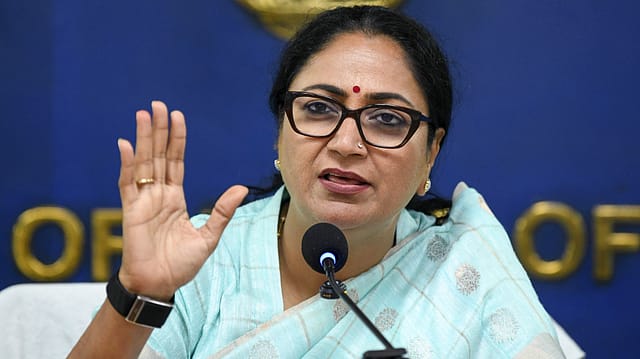
Delhi Chief Minister Rekha Gupta on Thursday stated that the Delhi EV Policy 2026 is not merely a step towards a cleaner environment but also a public-interest policy designed with the economic well-being of ordinary citizens in mind.
According to the Chief Minister's office, the policy aims to reduce both the initial purchase cost and the lifetime operating expenses of electric vehicles, thereby encouraging more people to adopt them.
According to Chief Minister Rekha Gupta, the primary question on most people's minds before buying an electric vehicle is whether it will actually save money.

Greening the Future
23 Jul 2026 - Vol 05 | Issue 30
Securing a sustainable India
The Delhi EV Policy 2026 provides a clear and positive answer to this question. The policy offers a host of benefits, including purchase incentives, bonuses for scrapping old polluting vehicles, lifetime road tax exemptions, waivers on registration fees, and lower operating and maintenance costs compared to petrol and diesel vehicles.
This is why electric vehicles are becoming the most prudent economic choice for households, commercial drivers, and businesses of all sizes.
How does Delhi EV Policy 2026 benefit electric two-wheeler buyers?
She explained that under the policy, eligible beneficiaries purchasing electric two-wheelers will receive a purchase incentive of up to Rs 30,000, a scrapping incentive of Rs 10,000, a lifetime road tax exemption, and a complete waiver of registration fees.
Thanks to these benefits, in addition to tax-related savings, an initial saving of over Rs 50,000 will be possible.
Eligible beneficiaries purchasing electric auto-rickshaws (L-5 category) will receive a purchase incentive of up to Rs 50,000, a scrapping incentive of Rs 25,000, a lifetime road tax exemption, and a waiver of registration fees.
This enables an initial saving of over Rs 75,000, excluding tax benefits, the statement added.
Under the EV policy, buyers of electric rural service vehicles will receive a scrapping incentive of Rs 15,000 upon scrapping their old vehicle.
Eligible beneficiaries purchasing electric N-1 goods carriers will receive a purchase incentive of up to Rs 1 lakh, a scrapping incentive of Rs 50,000, a lifetime road tax exemption, and a registration fee waiver.
This allows for an initial saving of approximately Rs 1.50 lakh, in addition to tax benefits, the statement read.
Delhi CM Rekha Gupta stated that while the EV policy does not provide a purchase incentive for private electric cars, an eligible buyer who scraps a conventional fuel-powered car to purchase an electric car will receive a scrapping incentive of up to Rs 1 lakh.
(With inputs from ANI)