Delhi air pollution alert: Symptoms to watch for as toxic air is compared to smoking a cigarette
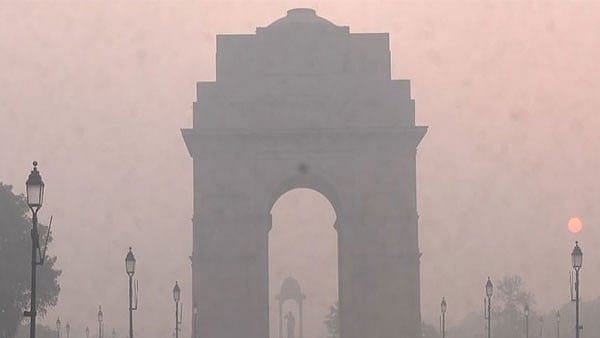
A scratchy throat, irritated eyes or a cough that refuses to go away can seem like minor inconveniences when Delhi’s air turns hazy. But as pollution levels climb across the capital, these symptoms deserve attention. The concern extends beyond immediate discomfort: prolonged exposure to polluted air can affect the lungs and cardiovascular system, with children, older adults and people with existing heart or lung conditions particularly vulnerable.
On October 22, Delhi’s Air Quality Index (AQI) stood at 226 at 7 am, placing it in the ‘poor’ category, according to the Central Pollution Control Board (CPCB). The previous day, the city’s AQI had risen from 179 on October 20 to 244 at 2 pm, prompting the Commission for Air Quality Management (CAQM) to invoke Stage I of the Graded Response Action Plan (GRAP) across Delhi-NCR. The deterioration reportedly followed Dussehra, although the readings alone cannot establish how much individual pollution sources contributed.

Losing Memory
16 Oct 2026 - Vol 05 | Issue 42
The making of a medical and social emergency
What symptoms can Delhi’s worsening air pollution cause?
Air pollution does not affect everyone in the same way, and some people may experience symptoms sooner than others. According to health guidance published by the UK government, short-term exposure can cause coughing, chest tightness, difficulty breathing, irritation of the eyes, nose and throat, and worsening asthma or chronic obstructive pulmonary disease (COPD) symptoms. Effects can appear within hours or over several days.
Pay attention if a cough persists, wheezing develops or ordinary physical activity leaves you unusually breathless. People with asthma or other chronic respiratory conditions should follow their prescribed management plans and seek medical advice if symptoms worsen.
Chest pain, severe breathing difficulty or fainting should not be dismissed as routine pollution-related discomfort; these symptoms warrant urgent medical attention.
Why are children particularly vulnerable to polluted air?
Former World Health Organization (WHO) chief scientist Soumya Swaminathan warned ANI that children face particular risks because their lungs, brains, hearts and blood vessels are still developing. “Pollution levels across North India are reaching extremely serious levels, impacting our health. Babies and children are vulnerable, as their lungs, brains, hearts and blood vessels are still developing. Air pollution is stunting lung development and affecting learning capacity,” she said.
The concern is supported by the WHO, which identifies air pollution as a risk to children’s lung function and development. Exposure has also been linked to respiratory infections and other adverse health outcomes. Parents should watch for persistent coughing, wheezing or unusual breathlessness, particularly in children with existing respiratory conditions
Does breathing polluted air really equal smoking a cigarette?
Swaminathan also highlighted a striking comparison: “Breathing PM at 22 micrograms per cubic metre over 24 hours is said to be equivalent to smoking one cigarette.”
The estimate refers to PM2.5, fine particulate matter small enough to penetrate deep into the lungs. A frequently cited cigarette-equivalence calculation uses approximately 22 micrograms per cubic metre of PM2.5 averaged over 24 hours as a rough equivalent of one cigarette’s health impact. The Indian Express has explained the analogy as a way of communicating the potential harm from particulate pollution.
But there is an important distinction: this does not mean that breathing polluted air is literally identical to smoking a cigarette. Tobacco smoke and ambient pollution contain different mixtures of pollutants, and the risks depend on concentration, duration of exposure and individual health. Nor can the city’s AQI alone be plugged into the calculation; AQI is an index, while the estimate uses a specific PM2.5 concentration averaged over a defined period.
The comparison is best understood as a warning about cumulative exposure, not an exact personal health score.
How can you reduce exposure as Delhi’s AQI worsens?
With the forecast indicating that Delhi’s air could remain in the ‘poor’ category, residents should check official AQI readings before planning outdoor activities. When pollution is high, consider moving strenuous exercise indoors, particularly if you are experiencing symptoms or have an existing heart or lung condition. A well-fitting N95 or equivalent particulate-filtering mask can reduce exposure outdoors, while an appropriately sized air purifier with a HEPA filter may help lower indoor particle levels.
Keep windows closed when outdoor pollution is high if indoor conditions permit, and avoid adding pollutants indoors through smoking or unnecessary burning. Children, older adults and people with chronic conditions should take particular care.
Stage I GRAP measures are intended to prevent air quality from deteriorating further, but they cannot eliminate exposure immediately. The practical lesson is simple: do not wait for the air to look visibly thick before taking it seriously. Track the readings, recognise symptoms early and seek medical help when warning signs appear.
(With inputs from ANI)