Can Delhi Go All-Electric on Public Transport by 2028? CM Rekha Gupta Sets 14,000-Bus Target
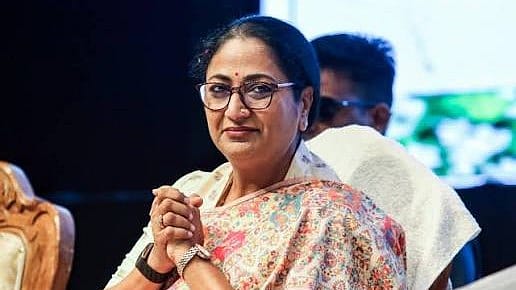
Can Delhi transition its entire public transport bus fleet to electric vehicles by 2028? Chief Minister Rekha Gupta has set an ambitious target of 14,000 buses, all electric, by the end of the decade's second half, as the national capital steps up its efforts to expand cleaner public transport amid persistent concerns over air pollution.
On Friday, Gupta inaugurated 100 new electric buses, adding them to Delhi's public transport network. With this addition, the capital has 7,088 buses, including approximately 5,400 electric buses, which the Chief Minister said was the largest electric bus fleet among Indian states.
Speaking at the inauguration, Gupta said the new buses would improve public transport access, passenger safety and environmental protection.

The Wealth Issue 2026
06 Nov 2026 - Vol 05 | Issue 45
Portraits of Dreamers and Doers under 35
"Today, the 100 buses that we have added to Delhi's transport system will not only help the people of Delhi with transportation, but they will also work better for their safety and for the environment of our Delhi," she said.
How Many Electric Buses Does Delhi Have?
Delhi currently has 7,088 buses in its public transport fleet, of which approximately 5,400 are electric, according to Gupta. The government has been expanding its electric bus network over the past 21 months as part of its efforts to strengthen public transport and encourage cleaner mobility.
The Chief Minister said the government was also working towards converting its own vehicle fleet to electric. Government vehicles reaching the end of their operational life are being replaced with electric alternatives. Mechanical road-sweeping machines are also being inducted as electric vehicles.
Can Delhi Have 14,000 Electric Buses by 2028?
The Delhi government aims to expand its bus fleet to 14,000 by the end of 2028, with every bus running on electricity.
"Our target is to provide 14,000 buses to Delhi by the end of 2028, and all of them will be electric buses," Gupta said.
The target would require the government to more than double its current electric bus fleet over the next two years. The expansion is part of a wider push towards electric mobility, which also includes incentives for private vehicle owners.
Gupta said Delhi had introduced a Rs 15,000-crore electric vehicle policy, which she described as the largest such policy in the country. The government is offering subsidies and incentives for scrapping older vehicles to encourage residents to switch to electric vehicles.
What Is Delhi Doing to Control Vehicle Pollution?
Alongside expanding its electric bus fleet, the Delhi government is enforcing restrictions on vehicles that do not meet BS-VI emission standards.
Gupta said vehicles from other states that fall below these standards were being stopped from entering the national capital. The government is also identifying end-of-life vehicles and encouraging their owners to shift to electric alternatives.
The Chief Minister said the administration was gradually transitioning its own vehicle fleet to electric. As existing government vehicles complete their operational life, they are being replaced with electric vehicles. The same approach is being extended to mechanical road-sweeping machines.
Referring to Delhi's weather conditions and air quality in November, Gupta said the city was witnessing improvement compared with previous years. She attributed this to the combined efforts of the government and residents, while stressing that pollution-control regulations would continue to be enforced.
Will Delhi Get New Electric Bus Routes to NCR and Bihar?
The Delhi government has also expanded its focus beyond the capital's boundaries. Gupta announced the launch of an electric bus service connecting Hapur with Delhi, aimed at improving connectivity for daily commuters travelling between the national capital and cities in the National Capital Region (NCR).
She also said the government would soon introduce bus services connecting Delhi with Bihar.
The new routes are intended to strengthen public transport links for people travelling into and out of Delhi, while expanding the role of electric buses in interstate connectivity.
The addition of 100 buses is another step towards the government's 2028 target. However, achieving an all-electric fleet of 14,000 buses will require a sustained expansion of the network over the coming two years.
(With inputs from ANI)