Diljit Dosanjh song row: From Macklemore to Ye, when the battle over music goes global
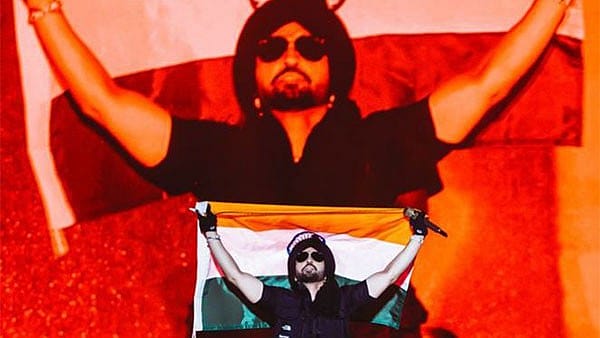
A concert is supposed to be about the music. But what happens when the songs become the controversy? Punjabi singer Diljit Dosanjh found himself confronting that question at Ahmedabad's Narendra Modi Stadium on November 21, when he challenged what he called double standards over restrictions on his lyrics.
Recalling Coldplay's January 2025 performance at the same venue, Dosanjh questioned why the British band's Hymn for the Weekend, which includes the line “I'm feeling drunk and high”, had not attracted comparable objections. His own songs, including Patiala Peg and 5 Taara Theke, had faced demands for restrictions over alleged references to alcohol, drugs and gun culture.
The controversy took another turn on November 22, when Dosanjh reportedly went ahead and performed Patiala Peg at the Ahmedabad concert despite the objections. His remarks have also opened up a wider question: are performers around the world increasingly being judged not just by their music, but by the political and cultural reactions it provokes?

The Wealth Issue 2026
06 Nov 2026 - Vol 05 | Issue 45
Portraits of Dreamers and Doers under 35
Macklemore dropped from Ed Sheeran's tour after Palestine remarks
One recent example involves American rapper Macklemore. In September 2026, he said he had been removed from the remaining dates of Ed Sheeran's US tour after making pro-Palestinian remarks during a concert at New Jersey's MetLife Stadium.
The tour promoter, Messina Touring Group, said venue owners had indicated that they would not allow performances to proceed with Macklemore on the bill. The rapper had performed Hind's Hall, his protest song about the war in Gaza, and called for a free Palestine.
The controversy did not end with his removal. On September 24, Reuters reported that Macklemore announced his own Free Palestine concert tour, with proceeds intended for organisations supporting Palestinians.
His case raises questions about whether artists should face professional consequences for political positions expressed on stage. Dosanjh's dispute, by contrast, concerns the content of songs and allegations about their influence on children.
Robbie Williams' Istanbul concert cancelled amid political backlash
In October 2025, British singer Robbie Williams' scheduled Istanbul concert was cancelled by city authorities, citing public safety concerns.
The decision followed protests by Turkish organisations and social media users who objected to Williams performing in the country. The concert was scheduled for October 7, the second anniversary of the Hamas-led attack on Israel. Critics had also questioned his previous performances in Israel.
Williams said he was deeply sorry and that the cancellation was beyond his control. The episode demonstrated how public pressure and political sensitivities can affect whether an international artist gets to perform at all.
Why Ye's concerts were cancelled across Europe
Rapper Ye, formerly known as Kanye West, faced a different kind of backlash in 2026. His past antisemitic statements and expressions of admiration for Adolf Hitler triggered protests and venue decisions across Europe.
In April, Britain blocked him from entering the country to headline London's Wireless Festival, resulting in the cancellation of the event. Reuters also reported that FC Basel in Switzerland cancelled a proposed concert, while a Polish stadium withdrew its plans to host him.
These decisions were linked to concerns about his public statements, rather than restrictions on particular songs.
What do these controversies say about artistic freedom?
The three international cases are not identical to Dosanjh's. Macklemore's dispute involved political expression, Williams faced protests over his perceived political associations, and Ye's concerts were cancelled amid outrage over antisemitic remarks. Dosanjh's case centres on lyrics, child protection and the authority to regulate performances.
Yet they share a common question: who decides where artistic expression ends and public accountability begins?
As live performances increasingly become extensions of wider cultural and political debates, the line between protecting audiences and restricting artists is becoming harder to define. For Dosanjh, the argument is about why his songs should face restrictions when similar references by international performers do not. For the music industry, it is a much bigger question about who gets to decide what can be heard on stage.