Before Vir Das' latest Emmy nod, these celebs put India on the International Emmy map
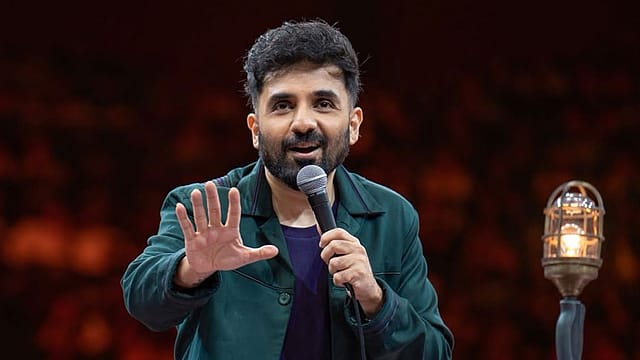
There was a time when an Indian stand-up comedian getting nominated for an International Emmy felt like a breakthrough. Now, for Vir Das, it is beginning to feel like a habit.
The comedian's Netflix special Vir Das: Fool Volume has been nominated in the Comedy category at the International Emmy Awards 2026, marking his third nomination at the global awards. The nominations were announced by the International Academy of Television Arts & Sciences on September 23, with India securing two nominations this year — one for Fool Volume and another for Sony LIV's drama series Real Kashmir Football Club.
For Das, the latest nomination is not just another career milestone. It places him in a category few Indian entertainers have occupied repeatedly, highlighting how Indian stand-up comedy has increasingly found an audience far beyond the country.
From controversy to global recognition: Vir Das' Emmy journey
The journey has been anything but straightforward. Vir Das first entered the International Emmy conversation in 2021 with Netflix special Vir Das: For India. The nomination came at a time when English-language Indian stand-up was still fighting for global visibility. Two years later, he returned with Vir Das: Landing, a special that would eventually win the International Emmy for Comedy and make him the first Indian comedian to take home the award.
Zeroing In on ECI
09 Oct 2026 - Vol 05 | Issue 41
Constitutional legitimacy versus political opportunism
Now comes Fool Volume. The special explores themes ranging from identity and happiness to losing one's voice — literally. The show emerged from a difficult period in Das' life after a vocal injury forced him to rethink his material and performance style.
Reacting to the nomination, Das said he found it "wonderfully strange" that a show called Fool Volume had earned Emmy recognition. He described the special as a project that began during a period when he had temporarily lost his voice and said the third nomination was something he never imagined when he started making comedy specials.
The Indians who reached the International Emmys before him
Vir Das may be dominating the comedy category, but he is part of a much larger Indian Emmy story. One of the earliest major Indian successes came in 2007 when actor Shefali Shah was nominated for an International Emmy for The Delhi Crime? No—that was later. In fact, India's International Emmy history stretches across multiple categories, from drama and documentaries to television movies and performances.
Over the years, Indian nominees have included actors such as Shefali Shah, Jim Sarbh and Arjun Mathur, while acclaimed shows including Delhi Crime, Aarya, The Night Manager and Lust Stories have represented India on the global stage. Netflix's Delhi Crime created history in 2020 when it became the first Indian series to win the International Emmy for Best Drama Series. That victory is still regarded as one of the biggest moments for Indian streaming content internationally.
More recently, Indian productions have become regular features in nomination lists rather than occasional surprises, reflecting the growing global reach of the country's OTT industry.
Why the 2026 nominations matter for India
This year's nominations suggest that India's presence is no longer limited to a single genre. While Vir Das represents Indian comedy, Real Kashmir Football Club has earned a nomination in the Drama Series category. Starring Manav Kaul and Mohammed Zeeshan Ayyub, the Sony LIV series is based on the real-life story of Real Kashmir FC, the first professional football club from Jammu and Kashmir.
The dual nominations mean India will be represented in two different categories when the winners are announced in New York on November 23.
The bigger story behind Vir Das' latest nomination
Awards are often described as snapshots of a moment. Vir Das' third International Emmy nomination feels more like a timeline.
The first nomination showed that Indian stand-up comedy could travel. The second brought home a trophy. The third suggests that what once looked like an exception may now be becoming a tradition. And that may be the most significant part of the story. The question is no longer whether Indian comedy belongs on the global stage. The question is how much bigger that stage can get from here.
(With inputs from ANI)