Imran Khan ‘Leave India’ case: How Chetan Kumar and Dhruv Rathee also came under scrutiny over political activism
Can speaking out against the government or joining a political protest put someone’s right to remain in India under scrutiny? That question has resurfaced after Bollywood actor Imran Khan was reportedly directed to leave India by October 28, following his participation in a Mumbai protest demanding Chief Election Commissioner Gyanesh Kumar’s resignation.
The case has drawn attention to the distinction between Indian citizenship, Overseas Citizen of India (OCI) status and permission to stay in the country. Two earlier developments involving Kannada actor and activist Chetan Kumar Ahimsa and YouTuber Dhruv Rathee offer useful context, although neither is identical to Imran Khan’s case.

Zeroing In on ECI
09 Oct 2026 - Vol 05 | Issue 41
Constitutional legitimacy versus political opportunism
Chetan Kumar Ahimsa: How an actor’s OCI card became a legal battle
In April 2023, the Centre cancelled the OCI registration of Chetan Kumar Ahimsa, a Kannada-American actor and social activist known for his criticism of caste hierarchies and Hindutva politics.
According to a report shared by The Times of India, the Foreigners Regional Registration Office (FRRO) communicated the cancellation, citing concerns over his activities and earlier remarks, including comments about judges. The move came weeks after Chetan was arrested over a tweet criticising Hindutva. He denied wrongdoing and said the action was an attempt to silence his activism.
Chetan challenged the cancellation in the Karnataka High Court. On April 21, 2023, the court stayed the order, observing that the legal provisions cited in the notice did not appear, at first glance, to match the alleged conduct. The interim relief came with conditions concerning his comments on the judiciary and matters under consideration by courts.
The case demonstrated how an OCI decision can become a question of judicial review. The cancellation was challenged, and the court’s intervention meant the government could not simply proceed as though the dispute had been settled.
Dhruv Rathee: Why a protest triggered questions about his citizenship
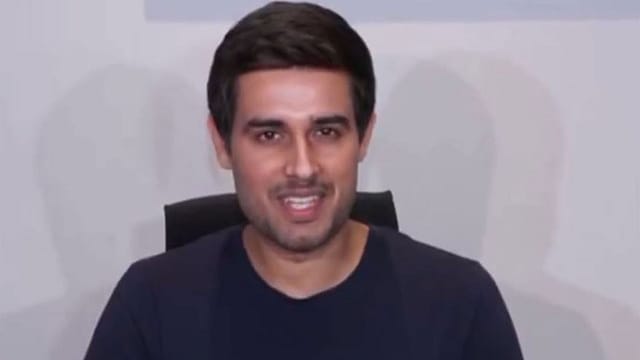
A different controversy emerged recently this month after YouTuber Dhruv Rathee attended an anti-Special Intensive Revision (SIR) protest in Bengaluru on October 8. Former Bengaluru police commissioner Bhaskar Rao wrote to the Union Home Ministry seeking verification of Rathee’s citizenship, passport, immigration status and compliance with visa conditions. Rao questioned whether a foreign national staying in India under a particular immigration status could participate in or address an organised political protest.
TOI reported that Rao’s representation sought an inquiry; it was not itself a deportation order or a finding that Rathee had broken the law. Rathee subsequently displayed an Indian passport in a video and rejected claims about his nationality, saying he was an Indian citizen. That response is important: the request for verification should not be treated as proof that he is a foreign national or has violated immigration rules.
What do these cases mean for Imran Khan?
OCI status does not confer Indian citizenship. It offers eligible foreign citizens of Indian origin certain privileges, but holders remain subject to applicable Indian laws and immigration conditions. At the same time, a complaint, political demand or inquiry does not automatically establish a violation.
Imran Khan’s case differs from Chetan Kumar’s OCI cancellation and the request for verification concerning Rathee. Khan received a notice directing him to leave India by October 28 after participating in the Mumbai protest. Authorities will need to rely on the relevant legal provisions and grounds for any action taken.
Together, the cases raise a wider question about how immigration rules apply when public figures participate in political activity. The crucial distinction is between scrutiny and a proven breach of law, and between a demand for action and a final decision by the competent authority.
(With inputs from ANI)