UPI merchant fees explained: Will you pay extra on Google Pay, PhonePe and Paytm from October 15?
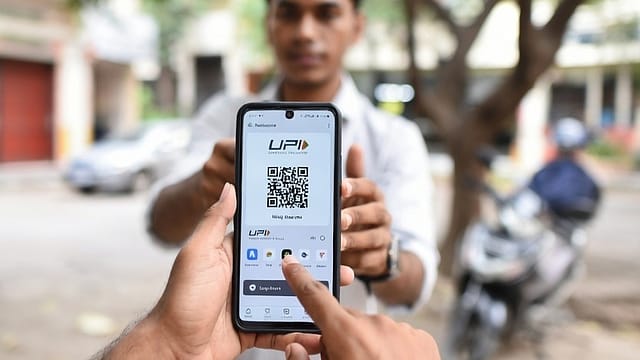
UPI users woke up to a question many thought they would never have to ask: Is free UPI coming to an end?
The answer is both yes and no.
The Indian government and the National Payments Corporation of India (NPCI) have announced a new Merchant Discount Rate (MDR) framework for certain UPI transactions from October 15, 2026. The move marks the first major shift away from UPI’s zero-fee model after years of explosive growth. But despite the headlines, most everyday users will continue to make UPI payments without paying any charges.
So what exactly is changing?
UPI MDR rule: What has changed from October 15?
Under the new framework, a 0.4% MDR will apply to person-to-merchant (P2M) UPI transactions above Rs 2,000. The fee is capped at Rs 300 for very large transactions above Rs 75,000.
In simple terms, if you use UPI to pay a merchant, retailer, e-commerce platform or business and the transaction crosses the threshold, a merchant fee can now be levied within the payments ecosystem.

Zeroing In on ECI
09 Oct 2026 - Vol 05 | Issue 41
Constitutional legitimacy versus political opportunism
The government says the change is aimed at making the UPI ecosystem financially sustainable as transaction volumes continue to surge. Reuters reported that UPI handled 24.5 billion transactions in August alone, accounting for roughly 84% of India’s digital payment volume.
Will person-to-person UPI transfers remain free?
Yes. This is the most important point for ordinary users.
If you send money to a friend, family member, landlord, colleague or anyone else's bank account using UPI, the transaction remains completely free regardless of value.
The new MDR applies only to person-to-merchant (P2M) payments and not to person-to-person (P2P) transfers.
Who actually pays the UPI merchant fee?
Officially, the MDR is charged to merchants, not consumers.
NPCI's framework says customers should not be charged directly for making UPI payments. The fee is intended to be borne by businesses receiving payments.
However, critics argue that some merchants could eventually try to recover these costs through pricing, a concern that has surfaced in political and industry debates following the announcement.
Are small shops and local vendors exempt?
Largely, yes. Reports indicate that small merchants and many low-value transactions will continue to enjoy zero MDR protection. Transactions of Rs 2,000 or less remain exempt, and smaller businesses are expected to receive additional safeguards under the new framework.
The policy is primarily aimed at larger-value merchant transactions rather than everyday purchases from neighbourhood vendors.
What is the 'monthly quota' people are talking about?
Many social media posts have linked the MDR announcement with supposed monthly limits on UPI usage.
At present, the newly announced MDR framework is not a monthly quota system. The key distinction is between the type of transaction (P2P versus P2M) and the transaction amount, not the number of payments you make in a month.
UPI already has transaction limits that vary by bank, app and category, but the latest policy announcement is focused on merchant payments and MDR, not on introducing a new monthly cap for ordinary users.
Why is the government introducing UPI fees now?
The official argument is sustainability.
For years, UPI transactions were effectively subsidised by banks, payment companies and government support. Industry executives have long argued that maintaining a digital payments network of this scale requires a revenue model to fund infrastructure, cybersecurity, innovation and expansion.
Supporters say the new MDR targets only a small portion of higher-value merchant payments while preserving free transfers for ordinary users. Critics worry it could gradually change user behaviour and weaken one of India's most successful digital public infrastructure projects.
For now, the headline takeaway is simple: your everyday UPI transfer to a friend remains free. The change is aimed at larger merchant transactions, not at person-to-person payments.
(With inputs from agencies)