Tata Sons Leadership Rift: Noel Tata Opposes Chandrasekaran Reappointment, Trusts Call It ‘Illegal’
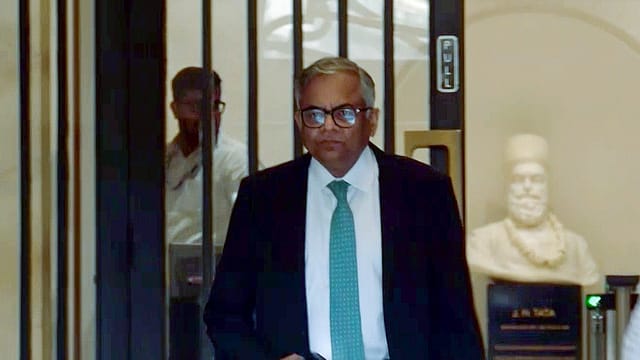
A 4–1 board vote to reappoint N Chandrasekaran as Tata Sons’ executive chairman has triggered a confrontation at the top of the Tata Group, with Tata Trusts calling the resolution “illegal” and demanding that the process to select his successor proceed.
Tata Trusts chairman Noel Tata cast the sole dissenting vote at the September 17 board meeting. The Trusts, which collectively holds approximately 66% of Tata Sons’ equity, argued that the majority vote did not satisfy the requirements of the company’s Articles of Association.
“The Tata Trusts maintain that the Resolution to reappoint Mr N. Chandrasekaran as Chairman, Tata Sons, is illegal,” it said in a statement.
The challenge came after Tata Sons announced that its board had voted by a majority to extend Chandrasekaran’s tenure by five years following the expiry of his current term on February 20, 2027.

Zeroing In on ECI
09 Oct 2026 - Vol 05 | Issue 41
Constitutional legitimacy versus political opportunism
At the centre of the dispute is whether the board’s approval meets the company’s rules for appointing its chairman. According to Tata Trusts, the Articles of Association require a majority of its nominee directors to support such a resolution, whether it concerns a first appointment or a reappointment.
The Trusts maintained that Noel Tata’s vote against the proposal rendered the resolution legally void. It described the outcome of the meeting as a “legal nullity”.
Tata Trusts also said Noel Tata had submitted a legal opinion from former Chief Justice of India D Y Chandrachud supporting its position. According to the statement, the board did not take note of that opinion.
A second point of contention is Chandrasekaran’s earlier decision not to seek another term.
On August 12, he informed the Tata Sons board that he would not offer himself for reappointment after his current tenure ended. Tata Sons’ statement announcing the latest board decision also recorded that earlier communication.
Tata Trusts said it formally accepted his decision on August 13 and advised Tata Sons to begin constituting a selection committee to appoint a successor under the company’s Articles of Association.
In the Trusts’ view, that decision had attained finality. It argued that employees, lenders, counterparties, the market and the majority shareholder had proceeded on the basis of the publicly communicated position, and that it could not subsequently be undone.
The confrontation marks a sharp shift from the support Chandrasekaran’s continuation had previously received.
In July 2025, Tata Trusts unanimously backed another five-year term. The Tata Sons board agreed in principle that September. Formal approval was deferred in February 2026 because of a lack of unanimity, however, and the matter remained unresolved at subsequent board meetings in May and June.
In its latest statement, Tata Sons said it would initiate steps to comply with applicable Reserve Bank of India guidelines and seek guidance from the RBI, Tata Trusts and other stakeholders on compliance requirements.
Tata Trusts maintained that its position remained unchanged: the selection committee process should proceed under the Articles of Association to ensure an orderly and timely leadership transition.
With inputs from ANI