Sustainability is no longer compliance. It is business strategy: L&T's Santosh Kumar
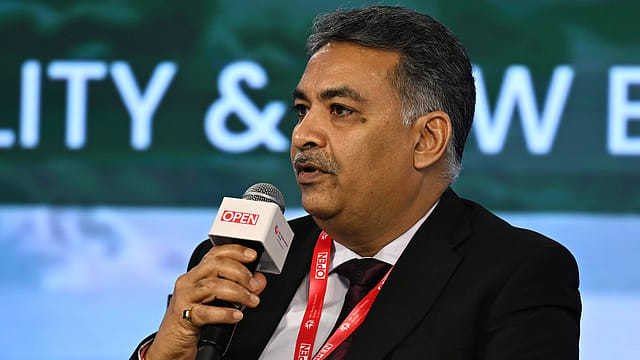
Sustainability has evolved from a regulatory requirement into a core business strategy, making it integral to how companies design infrastructure, allocate capital and compete in the marketplace, according to Santosh Kumar, chief sustainability officer at L&T.
Speaking at OPEN Green Shift, Kumar said corporate sustainability has undergone a fundamental shift over the past decade. "Sustainability initially started as compliance. Then it moved to reporting. Today, it is becoming a business imperative," he said during a panel discussion on building India's low-carbon future.
For infrastructure companies, he argued, sustainability begins much earlier than construction itself.
"The impact that infrastructure will create for decades is decided at the design stage," Kumar said, stressing that decisions on materials, resource use and engineering determine not only environmental outcomes but also the resilience of assets over their lifetime. He summed up the philosophy in a simple line: "The greenest resource is the resource which is never consumed."

The Vanguard
21 Aug 2026 - Vol 05 | Issue 34
BJP Rearmed for 2029
He said the shift is no longer being driven solely by regulation. Investors increasingly scrutinise ESG disclosures, customers seek transparency around carbon footprints, financial markets are opening access to green capital, and younger professionals prefer employers with credible sustainability commitments. Together, these forces have transformed sustainability from a compliance function into a competitive advantage.
At L&T, Kumar said the company's sustainability ambitions have been integrated into day-to-day business operations rather than managed through a standalone department.
Targets such as carbon neutrality by 2040 and water neutrality by 2035 are embedded across more than 700 project sites worldwide, with accountability resting with project directors and operational teams instead of sustainability specialists alone. Social commitments, including human rights practices, are similarly woven into operational processes, he said.
That integration, Kumar said, reflects a broader recognition that sustainability cannot be treated as an isolated corporate initiative if companies are to achieve meaningful climate outcomes.
The business impact is already visible within L&T's portfolio.
According to Kumar, businesses linked to clean energy, clean mobility, sustainable transport, water treatment and energy efficiency now contribute more than 51% of the company's revenue, marking a significant shift for a company traditionally associated with large-scale construction and engineering.
He also warned companies against the growing risks of greenwashing, arguing that sustainability claims must be backed by rigorous systems for measurement, reporting and verification.
"Any statement going into the public domain has to go through a structured measurement, reporting and verification protocol," Kumar said, noting that inaccurate disclosures can damage corporate credibility and brand reputation. He added that L&T has invested in digital systems that provide traceability down to primary evidence, with sustainability disclosures subjected to external assurance.
For Kumar, the future of corporate sustainability lies not in creating more reporting frameworks but in making sustainability inseparable from business strategy itself—a shift that, he argued, is already reshaping how companies design projects, attract investment and create long-term value.