Rupee Rallies but the Clock Is Ticking
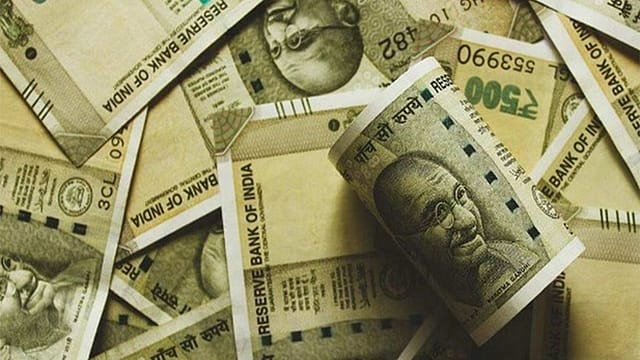
The rupee has staged a rare, sharp recovery from near-record lows, but the truce between India’s currency and the dollar remains uneasy. After brushing 97 to the dollar earlier this month, the rupee jumped to trade around 95.3, aided by the Reserve Bank of India’s measures to curb dollar demand and discourage speculative bets.
The central bank’s message is blunt: do not mistake short-term panic for fundamentals. RBI Governor Sanjay Malhotra said markets “appear to be overly pessimistic,” adding that their assessment “could be irrational in the short run.” Earlier, he argued that, on measures including the real effective exchange rate, the rupee “is not overvalued; it may be undervalued.”

Zeroing In on ECI
09 Oct 2026 - Vol 05 | Issue 41
Constitutional legitimacy versus political opportunism
The rupee’s slide—over 6 per cent this year before the rebound—has been driven by a potent mix of global dollar strength, elevated crude-oil risk, foreign portfolio outflows and a widening import bill. The RBI has responded with intervention, tighter scrutiny of currency hedging and a hawkish policy signal, helping pull USD/INR back from the 97 mark.
For importers, especially those buying crude, electronics and gold, the relief is real but conditional. For exporters and families with dollar-linked education or travel bills, the stronger rupee offers a brief window to lock in rates. The danger is complacency: a currency supported by administrative friction can stabilise, but it cannot permanently escape the arithmetic of trade deficits and capital flows.
Analysts are not calling this a durable turnaround. Kotak Neo’s Anindya Banerjee sees a working range of 94–97, while PL Capital’s Ashish Rajodiya expects movement toward 94.90 only if inflation and crude soften—and a slide back toward 97 if inflation runs hot. A Moneycontrol poll of 14 economists and treasury heads similarly expects the rupee to finish 2026 around 95–96 to the dollar.
The larger point is that the rupee is no longer drifting; it is being actively managed. Malhotra’s stance suggests the RBI will permit orderly adjustment but resist disorderly depreciation. That may prevent a currency crisis, yet it also means the rupee’s fair value will keep being tested by oil, global yields and foreign investor sentiment.
For now, the dollar remains the benchmark; the rupee is merely buying time.