Rolls-Royce India Expansion Explained: Jobs, Defence, and New Investments
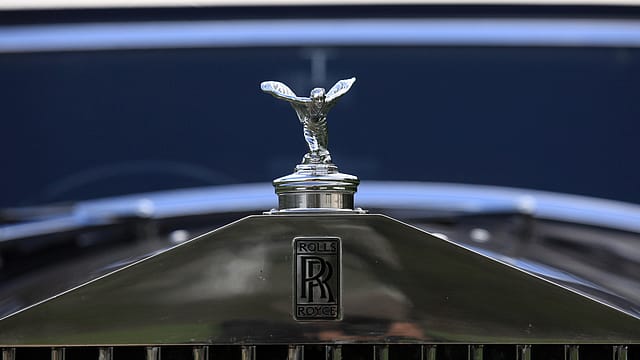
Rolls-Royce’s plan to significantly expand its operations in India signals a major boost for the country’s defence, aviation, and energy sectors. The move could generate thousands of jobs, strengthen domestic manufacturing, and deepen India’s technological self-reliance.
What Has Rolls-Royce Announced About Its India Expansion?
Rolls-Royce has said it intends to scale up its business operations in India to support future programmes across defence, civil aviation, and energy sectors. The company aims to position India as a strategic home market aligned with national priorities such as security, energy resilience, and infrastructure development.
If these plans materialise, they could support around 10,000 jobs and lead to a tenfold increase in local sourcing from Indian suppliers.
Why Is India Important to Rolls-Royce’s Global Strategy?
India is emerging as one of the world’s largest markets for defence equipment, aviation services, and energy infrastructure. With rising domestic demand and a strong push for local manufacturing, the country offers long-term growth opportunities.
Rolls-Royce sees India not only as a major customer base but also as a production and innovation hub that can serve global supply chains.
What New Projects Is the Company Exploring?
The company is currently examining multiple initiatives in India. These include the potential co-development of a next-generation combat jet engine and partnerships to manufacture engines for the Army, Navy, and Coast Guard.

Bengal Thriller 2026: The Plot Thickens
17 Apr 2026 - Vol 04 | Issue 67
Mamata Banerjee faces her toughest battle
It is also exploring ways to provide power solutions for critical industries, strengthening India’s energy and industrial infrastructure.
How Will This Expansion Impact Jobs and Small Businesses?
The proposed expansion is expected to more than double the workforce supporting Rolls-Royce and its partners in India. Thousands of engineers, technicians, and skilled workers could be employed across different projects.
The increase in local sourcing is likely to benefit small and medium-sized enterprises by integrating them into global aerospace and defence supply chains.
What Was Discussed Between Rolls-Royce and Prime Minister Modi?
Rolls-Royce Chief Executive Officer Tufan Erginbilgic met Prime Minister Narendra Modi in New Delhi to discuss the company’s plans to support India’s growth and self-reliance.
According to a company release, Erginbilgic said: "Our ambitions for India are built on the strong foundations of our decades-long presence in the country, our growing footprint, our deep industry partnerships, and our competitively advantaged technologies. As we grow our participation in programmes across India's defence, aviation and energy sectors, we will expand our ecosystem in India, as we have done successfully in other countries. We are determined to partner India on its Atmanirbhar journey, by developing indigenous propulsion capabilities, providing sustained power to critical infrastructure and industry, and expanding local manufacturing for global supply chains. We believe our unique portfolio of advanced capabilities can help us grow our presence and partnerships further, to power, protect and connect India for decades to come."
What Is the Significance of the Combat Jet Engine Proposal?
Under the India-UK Vision 2035 roadmap, Rolls-Royce and the UK Government have offered to co-develop a 120 kN class combat jet engine core with India.
This proposal includes full technology transfer and intellectual property ownership for India. It would be supported by dedicated design and manufacturing facilities, strengthening domestic defence capabilities
How Strong Is Rolls-Royce’s Current Presence in India?
Rolls-Royce already has a significant footprint in the country. More than 4,000 people work across its Indian ecosystem, including around 2,800 engineers involved in global projects.
Over 1,400 of its engines currently power Indian defence platforms such as Jaguar aircraft, Hawk trainers, and Arjun Main Battle Tanks.
What Partnerships and Facilities Does the Company Operate?
The company operates joint ventures with Hindustan Aeronautics Limited (HAL) and Force Motors. It also works with more than 100 local vendors.
Recently, Rolls-Royce inaugurated an expanded Global Capability and Innovation Centre in Bengaluru, which serves as its largest hub for digital and engineering expertise.
What Does This Mean for India’s Atmanirbhar Bharat Goals?
The expansion aligns closely with India’s Atmanirbhar Bharat initiative, which focuses on reducing dependence on imports and building domestic industrial capacity.
By localising manufacturing, transferring technology, and developing skilled talent, Rolls-Royce’s plans could help India become more self-reliant in critical sectors.
(With inputs from ANI)