RBI Cancels Licences of 135 NBFCs; Majority of Firms Based in West Bengal
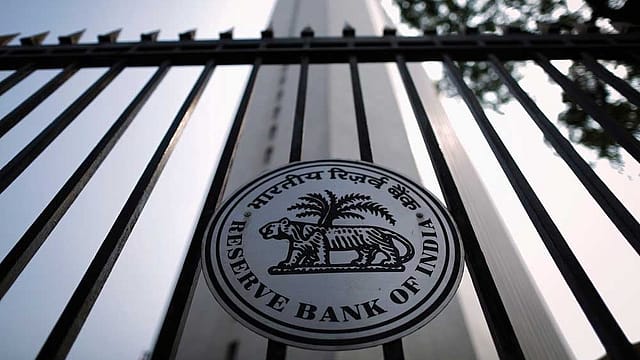
The Reserve Bank of India (RBI) has cancelled the Certificates of Registration (CoR) of 135 Non-Banking Financial Companies (NBFCs), a move that has drawn attention because a significant number of the affected firms are based in Kolkata and other parts of West Bengal.
The action, announced through a notification issued on June 10, is part of the central bank's ongoing efforts to strengthen oversight of the non-banking financial sector and ensure compliance with regulatory norms.
What Action Has the RBI Taken?
The RBI has withdrawn the Certificates of Registration of 135 NBFCs under powers granted by Section 45-IA (6) of the Reserve Bank of India Act, 1934.
A Certificate of Registration is mandatory for any company seeking to operate as an NBFC in India. Without this registration, a company cannot legally undertake NBFC-related activities.

Greening the Future
23 Jul 2026 - Vol 05 | Issue 30
Securing a sustainable India
The central bank stated that the affected companies can no longer operate as Non-Banking Financial Institutions.
"As such, the above companies shall not transact the business of a Non-Banking Financial Institution, as defined in clause (a) of Section 45-I of the RBI Act, 1934," the RBI said in its notification.
Why Is West Bengal at the Centre of This Action?
Although the RBI's order covers companies from several states, the majority of the affected entities are registered in Kolkata and nearby areas of West Bengal.
Among the companies listed by the RBI are Akshay Fiscal Services Ltd, Alfa Tie-Up Private Limited, Arihant Enterprises Ltd, Destiny International Limited, Eastern Synthetics Pvt Ltd, ETL Infrastructure Finance Limited, Gateway Fincons India Ltd, KPS Finance & Trade (P) Ltd and Lifetime Financial Services Ltd.
The concentration of affected firms in West Bengal has drawn particular attention because Kolkata has historically been home to a large number of NBFCs and finance-related businesses.
What Exactly Is an NBFC?
A Non-Banking Financial Company is a financial institution that provides services such as loans, investments, asset financing, infrastructure financing and other financial activities but does not operate as a traditional bank.
NBFCs play an important role in extending credit to sectors and customers that may not always have easy access to banking services. However, unlike banks, they cannot accept demand deposits such as savings or current account deposits.
Because they handle financial transactions and public funds in various forms, NBFCs are regulated by the RBI and must comply with strict operational and governance requirements.
Which Other States Have Been Affected?
While West Bengal accounts for a large share of the cancelled registrations, the RBI's order also includes companies from Maharashtra, Telangana, Delhi, Tamil Nadu, Madhya Pradesh and Manipur.
Among the notable firms mentioned in the list are Essel Finance Business Loans Limited in Mumbai, Citiwide Financial Services Limited in Hyderabad and Kiranglobal Business Investment Limited in Chennai.
The wide geographical spread of the cancellations indicates that the regulatory action is not limited to any single state but forms part of a broader nationwide exercise.
Why Does the RBI Cancel NBFC Registrations?
The RBI regularly reviews NBFCs to ensure that they meet regulatory, operational and financial requirements.
If an NBFC fails to comply with prescribed norms, does not meet eligibility conditions, violates regulations or is found unsuitable to continue operating as an NBFC, the RBI has the authority to cancel its Certificate of Registration.
The latest action is part of the central bank's broader supervisory framework aimed at maintaining stability, transparency and accountability in the financial system.
What Happens to These Companies Now?
With their Certificates of Registration cancelled, the affected entities can no longer conduct business as NBFCs under the RBI Act.
This means they are barred from carrying out activities that legally require NBFC status unless they obtain fresh regulatory approvals or comply with any conditions prescribed by the regulator.
The companies may continue to exist as corporate entities, subject to applicable laws, but they cannot function as regulated non-banking financial institutions.
What Does This Mean for the Financial Sector?
The RBI's decision underscores its increasingly proactive approach towards supervision of the non-banking financial sector.
Over the past few years, the central bank has tightened regulations, enhanced compliance requirements and increased scrutiny of NBFC operations to safeguard financial stability and protect stakeholders.
The cancellation of 135 registrations sends a clear message that entities failing to meet regulatory standards risk losing their right to operate in one of India's most important financial sectors.
(With inputs from ANI)