Levi's and Primark Want You to Mend Clothes. Who Pays for the Repair?
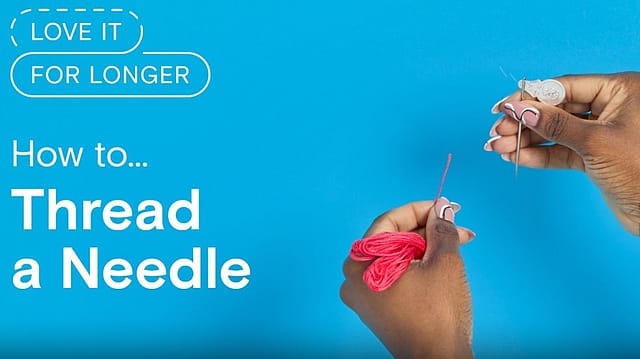
Primark wanted shoppers to repair their clothes. It helped pay the bill.
When the retailer announced an expanded UK repair trial with The Seam this March, it said it would continue subsidising simple same-day fixes. The programme covered three stores and was scheduled to run until June.
That subsidy deserves as much attention as the stitching.
The appeal of repairing clothes is straightforward. A missing button or damaged seam need not end a garment's useful life. The difficult calculation begins when someone must inspect the damage, perform the repair and charge for their time.
No wonder, visible mending is gaining a following, with decorative stitches turning holes and tears into design features. Levi’s, Uniqlo and Primark are embracing the broader interest in clothing repair through workshops, services and other initiatives.

The Era of Forever Wars
30 Oct 2026 - Vol 05 | Issue 44
Coping with an explosive Middle East
The commercial question is whether this enthusiasm can support an affordable service that pays skilled people properly.
India gives that question particular force. Repair knowledge already exists here, alongside businesses that restore expensive garments. Extending professional aftercare to everyday clothing requires a different calculation.
The subsidy tells a story
Primark said nearly 90% of available appointments had been pre-booked during its initial Manchester trial in 2025. That suggests interest in an accessible service. It does not establish demand at the full cost of delivering it.
Subsidy is a reasonable commercial choice. A retailer might accept a cost to retain customers, demonstrate durability or bring shoppers into stores. Those benefits could justify a service that does not generate a standalone profit.
The accounting still matters. A repair operation presented as customer care should be assessed against its costs and benefits. A proposed new revenue stream needs evidence of paying demand and workable margins.
Neither can be judged from a busy workshop alone.
Subsidised pricing also creates an obligation to understand who absorbs the difference. Lower customer prices are most useful when the business model preserves adequate payment for the repairer.
Levi's is tackling another part of the problem
Its Wear Longer Project, launched in January this year, provides free educational resources developed with Discovery Education. It teaches skills such as attaching buttons, patching holes and hemming. Chief executive Michelle Gass reportedly described the initiative as giving young people “the confidence and tools to extend the life of what they already own”.
Teaching customers can reduce their dependence on paid help for simple jobs. It also asks them to contribute time and acquire skills. More demanding restoration remains a separate service.
What exactly is being sold? Uniqlo's US studios make several offerings visible on a price list. Most standard repairs on eligible items cost $5. Embroidery generally costs $10–$20. Selected stores also sell pieces made by upcycling unsellable Uniqlo stock.
Maintenance, personalisation and inventory recovery each have a potential customer. Their financial results should be examined separately.
A customer buying embroidery may be paying for a distinctive design. Someone replacing a button may mainly want an affordable way to keep wearing a shirt. A retailer restoring damaged stock may recover value from goods that could otherwise be difficult to sell.
Toast's Renewed collection follows that last route: its specialists creatively mend damaged items from the company's stock for sale.
These models can support useful work. They answer different questions about consumption.
Selling a restored garment demonstrates that damaged stock can find a buyer. Repairing something already owned can help its wearer postpone replacement. Establishing the environmental benefit requires understanding what people would otherwise have bought or discarded.
A decorative patch on a newly manufactured garment establishes an aesthetic preference. It provides no evidence that an existing garment survived longer.
India already has the skill
Research published by Anant National University documents India's established textile-repair practices, including rafoo and the reuse of worn fabric through quilting. It also describes contemporary adaptations of those techniques.
That history gives Indian consumers and businesses a starting point. It does not tell us how frequently people now repair clothes, what they pay or whether demand is growing.
For the economics, a current Indian service offers a particularly useful explanation.
Hyderabad-based Thread Lab advertises visible and invisible mending, including work on saris, suits, shawls and selected heirloom garments. Its FAQs explain that charges depend on fabric, damage, complexity and time. A ₹5,000 garment can require more restoration work than one costing ₹1 lakh.
That is the central difficulty in pricing repair.
A garment's retail price sets an expectation about what saving it should cost. The work required follows the condition of its fabric and the nature of the damage.
Branding can raise the value customers attach to repair. Reliable collection, clear quotations and predictable turnaround can make the service easier to use. Each addition also needs funding.
The Indian opportunity is to connect existing skills with customers willing to pay for them. Its viability cannot rest on the assumption that the person doing the mending will remain inexpensive.
Why premium aftercare is easier to explain
Sheetal Batra's Heritage & Trust Certification attaches maintenance to qualifying purchases above ₹25,000. Its published terms cover regular wear and tear for 365 days, with a longer period for bridal pieces. Shipping is paid by the customer; alterations are excluded, and some damage attracts charges.
Those limits make the offer more concrete than an unrestricted promise of lifelong repair.
Aftercare may strengthen confidence in an expensive purchase. The garment's craftsmanship, continued usefulness and personal significance can make restoration attractive even when the bill is substantial.
Everyday clothing presents a tougher comparison with replacement. Collection costs and waiting time can outweigh the value a customer assigns to saving a low-priced item.
The challenge is to reduce those frictions while preserving the value of the work. Local repair networks, simple service menus or brand support are possible approaches. Their economics would need to be demonstrated.
France changes who pays
France offers another way to bridge the gap.
Refashion's repair bonus provides discounts at certified repairers, including €7 for fixing a hole, snag or tear. The reduction appears on the customer's bill. France's finance ministry explains that the wider repair-bonus system is funded through producer contributions under extended producer responsibility.
The mechanism gives repairers a way to receive payment while reducing what customers pay directly.
It also suggests a more useful policy question for India than whether consumers should care more about their clothes: what arrangements could make qualified repair easier to access and financially worthwhile?
A French scheme cannot establish what would work in India's different retail and repair markets. It does show that consumer willingness to pay need not carry the entire burden.
The next evidence from fashion brands should connect repair volumes with costs, customer behaviour and payments for the work. Claims about longer use become stronger when repaired clothes are worn again and replacement purchases are delayed.
Visible mending can make keeping a garment more appealing. For everyday clothing, the business test is whether the repair bill remains attractive to the customer while properly rewarding the person holding the needle.