India-UK trade deal: What is CETA and how it could boost Indian exports, jobs and business opportunities
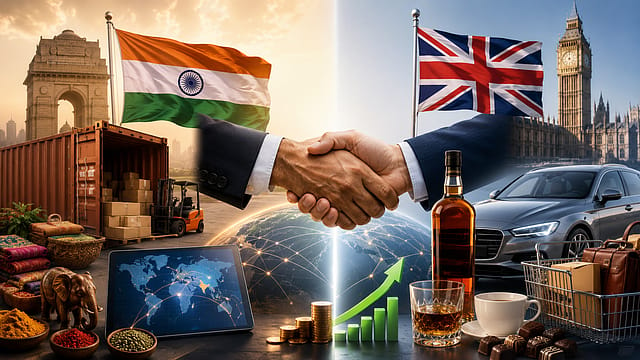
What does a trade deal between India and the United Kingdom mean for an Indian textile exporter in Tiruppur, a seafood producer in Kerala or a technology company in Bengaluru? The answer could lie in lower tariffs, easier market access and new business partnerships, provided companies can turn the agreement into actual orders.
That is the challenge behind the UK's latest business mission to India. Trade Commissioner Harjinder Kang said on Tuesday that the UK had brought around 200 businesses to promote the Comprehensive Economic and Trade Agreement (CETA), which came into force on July 15, 2026.
The visit comes as both countries move from negotiating the deal to putting it to work. On October 12, India and the UK also announced more than £1 billion in new commercial deals at the first Joint Economic and Trade Committee meeting since the agreement took effect, according to The Economic Times. The question now is how these commitments translate into opportunities for Indian businesses, workers and consumers.

Zeroing In on ECI
09 Oct 2026 - Vol 05 | Issue 41
Constitutional legitimacy versus political opportunism
How could the India-UK trade deal benefit Indian exporters?
For Indian manufacturers, one of CETA's biggest advantages is improved access to the British market. According to India's Commerce Ministry, nearly 99% of Indian exports by tariff lines receive zero-duty access to the UK under the agreement. This matters for labour-intensive industries such as textiles, leather, footwear, marine products and engineering goods. Lower tariffs can make Indian products more competitive against goods from countries that previously enjoyed an advantage in the British market.
The potential gains extend beyond large exporters. If overseas orders increase, smaller manufacturers, suppliers, artisans and logistics companies could also benefit. However, lower tariffs do not guarantee new orders: Indian businesses must still meet British standards, compete on quality and pricing, and comply with the agreement's rules of origin.
Could CETA create jobs in India?
The agreement could support employment if stronger exports lead companies to expand production. Garment factories, leather workshops, seafood-processing units and engineering businesses are among the industries that could benefit from increased demand.
Services are another important part of the deal. India's Commerce Ministry says CETA expands commitments across 137 services sub-sectors, including information technology, professional services, education and business services. This could create more opportunities for Indian companies working with British clients.
The agreement's accompanying Double Contribution Convention also addresses social security contributions for eligible professionals working temporarily across the two countries. Under the arrangement, qualifying workers can avoid paying social security contributions in both countries simultaneously for up to five years, subject to the applicable conditions.
Will British goods become cheaper for Indian consumers?
CETA works in both directions. India has agreed to reduce or eliminate tariffs on a range of British goods, although several reductions will be phased in and some concessions are subject to quotas. The UK's impact assessment identifies automobiles and alcoholic beverages among the products expected to benefit from substantial tariff reductions. For example, duties on eligible British cars can fall to 10% within an agreed quota, while tariffs on whisky are scheduled to decline from 150% to 40% over 10 years.
These changes could improve access to some imported products and increase competition in the Indian market. But lower import duties do not automatically translate into equivalent retail price cuts: shipping, taxes, distribution costs and companies' pricing decisions also matter.
Why are 200 UK businesses visiting India now?
Kang said the delegation was showcasing sectors including artificial intelligence, medical devices, food and beverages, and automobiles, with British brands such as Aston Martin, Bentley and Range Rover represented at the event.
The mission also seeks to deepen cooperation with Maharashtra, which both sides hope can demonstrate how the agreement works at the regional level. The wider objective is to turn trade concessions into investment, partnerships and commercial contracts.
For Indians, the real test of CETA will not be the size of the delegation or the value of announcements alone. It will be whether exporters win repeat orders, businesses expand, workers find opportunities and consumers see meaningful benefits as the agreement is implemented.
(With inputs from ANI)