India-Canada CEPA Talks Enter Fifth Round; Energy, Critical Minerals in Focus
India and Canada are set to begin the fifth round of negotiations for a Comprehensive Economic Partnership Agreement in Ottawa on Monday, with energy, critical minerals and aerospace emerging as key areas for deeper economic cooperation.
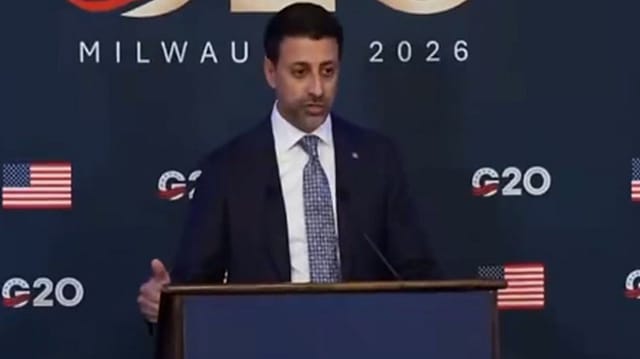
Canadian International Trade Minister Maninder Sidhu said the talks would build on his recent visit to Mumbai and discussions with Commerce Minister Piyush Goyal at the G20 Trade Ministers Meeting.
Canada wants an agreement that would “open new doors for Canadian businesses and workers in one of the world’s largest economies”, Sidhu wrote on X.
Both governments have committed to concluding the CEPA negotiations by the end of 2026.
OTTAWA PITCHES ENERGY PARTNERSHIP
Sidhu highlighted Canada’s potential to help meet India’s rising energy demand, citing annual economic growth of 7 per cent and a projected 70 per cent increase in energy requirements by 2035.

The Modi Years
02 Oct 2026 - Vol 05 | Issue 40
A Nation Rebuilt
“Canada is ready to deliver,” he said, pointing to what he described as a $33 billion investment in LNG Canada Phase 2.
According to Sidhu, the project would make the facility the second-largest of its kind globally and help Canada become one of the world’s five largest liquefied natural gas exporters within five years.
The minister said Canada wanted to be “the reliable partner India needs”, placing energy supply alongside the wider effort to strengthen trade and investment links.
CRITICAL MINERALS AND AEROSPACE ON THE AGENDA
Beyond energy, Sidhu identified critical minerals and aerospace as priorities for cooperation.
At the G20 meeting, he highlighted supply chain diversification, particularly in critical minerals, and outlined opportunities spanning investment and research as well as trade.
The latest negotiating round follows his meeting with Goyal in Mumbai, where the ministers discussed progress during the fourth round of CEPA talks.
The sectors identified by Sidhu give the negotiations a broader agenda, linking market access with energy requirements, industrial supply chains and technology partnerships.
A $70 BILLION TRADE AMBITION
Sidhu said at the G20 meeting that India and Canada were targeting an increase in bilateral trade from $30 billion to $70 billion over the next five years.
Separately, Commerce Ministry figures put bilateral merchandise trade at around $8 billion in FY26. India exported goods worth $4.67 billion to Canada and imported $3.28 billion.
The supplied report does not specify the coverage or reference period for Sidhu’s $30 billion baseline, so it is not directly comparable with the ministry’s merchandise trade figures.
With the year-end deadline approaching, the fifth round will take forward negotiations on an agreement both governments see as central to their longer-term economic ambitions.
With inputs from ANI