Hybrid ATMs Explained: India’s Plan to Fix the Small-Change Crisis
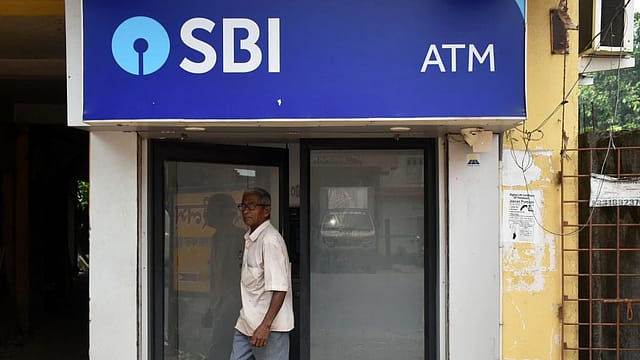
Cash may no longer dominate headlines, but it still runs India’s everyday economy. As ATM numbers shrink and small change disappears from circulation, the government is weighing an unusual fix: hybrid ATMs.
Here’s how the plan could reshape cash access.
When did ATMs arrive in India?
India’s ATM journey began in 1987, when HSBC installed the country’s first machine in Mumbai. A year later, SBI rolled out India’s first domestically operated ATM, accelerating cash access nationwide.
Why are ATM numbers declining across India?
Digital payments have transformed how Indians transact. According to ICRIER data, ATM growth slowed to 2.2% in 2022–23, down from 6.1% in 2021–22, as high operating costs made many machines unviable.
At the same time, UPI usage surged, reducing reliance on physical cash withdrawals.
What is India’s small-change crisis?
Despite digital growth, India faces an acute shortage of low-denomination notes. Shopkeepers struggle to break ₹500 notes, leading to delayed transactions, forced rounding off, and daily friction for cash-dependent consumers.
What solution is the government considering?
The government is evaluating a mix of options:
Dedicated machines for small-note dispensing
Hybrid ATMs that exchange large notes for smaller denominations and coins
Increased printing of low-value currency by the Reserve Bank of India

Iran After the Imam
06 Mar 2026 - Vol 04 | Issue 61
Dispatches from a Middle East on fire
What exactly is a hybrid ATM?
A hybrid ATM goes beyond standard withdrawals. It can dispense multiple denominations simultaneously, including ₹50, ₹20, and ₹10 notes, and may also offer coin exchange facilities.
Where is the pilot project currently underway?
Government officials say a pilot project in Mumbai is testing low-denomination dispensing machines. A hybrid ATM model has already been installed at a bank branch, with broader rollout planned if trials succeed.
Where will these machines likely be installed?
High-footfall areas such as railway stations, bus terminals, markets, hospitals, and government offices are expected to be priority locations due to constant demand for small change.
Which regions stand to benefit the most?
Semi-urban and rural areas are likely to gain the most. These regions rely heavily on cash and face the sharpest shortages of small denominations for daily transactions.
Why does cash still matter in the digital age?
Even as UPI dominates urban payments, cash remains essential. Daily wage workers, small traders, and commuters still depend on physical currency. Reportedly, nearly 60% of consumer spending continues to involve cash.
What concerns surround the hybrid ATM plan?
Experts warn that machines alone won’t fix the issue without adequate printing and efficient distribution of small notes. Banks also worry about rollout costs at a time when digital payments are being actively promoted.
(With inputs from yMedia)