EXPLAINED | Qantas’s 850-Role Shake-up. What Work Is Moving to India?
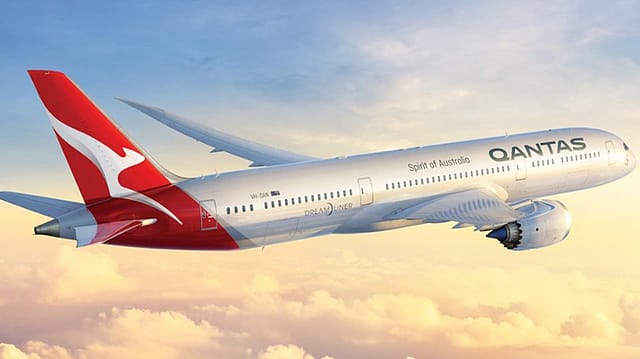
On 10 November, Australian airline Qantas announced a deal with Accenture to take over some office work and overhaul the systems behind it. Finance, purchasing, human resources and marketing are in the first phase, Reuters reported. Qantas expects about 850 roles to be affected over several years. Most of the services it hands to Accenture will be delivered from India, with some work staying in Australia. For Indian workers, the question is whether Accenture will need to hire to do that work or can take it on with teams it already has.
What work is Qantas sending to India?
Some tasks now done by Qantas’s corporate teams will move to India. The airline says Accenture will deliver most of the transferred services from India. Reuters identified finance, procurement, human resources and marketing as the first functions affected. Procurement is the work of buying goods and services, from choosing a supplier to checking what it billed. Qantas has named the departments in scope. It has yet to say which individual tasks will move, how many will move in the first round or which Indian offices will handle them.

The Wealth Issue 2026
06 Nov 2026 - Vol 05 | Issue 45
Portraits of Dreamers and Doers under 35
Who does the work once it moves?
Accenture, a consulting and technology services company, will run the services Qantas hands over. That is outsourcing. Offshoring is when work is performed in another country. Qantas is doing both when Accenture takes on a service and delivers it from India. Some of the work Accenture does will remain in Australia. For a Qantas team, the immediate change is who does the job and where to go when a problem needs fixing.
Does 850 tell us how many people Accenture will hire in India?
It tells us the expected scale of the changes at Qantas. The airline says individual outcomes will be determined after consultation, and chief executive Vanessa Hudson told staff that jobs would be cut over several years. The Indian hiring question is separate. Accenture could assign people already on its payroll, recruit specialists or change how much manual work a team needs to do. The announcements give no India hiring figure or breakdown of how many Australian roles will be transferred, removed or handled differently.
What would the handover look like in practice?
Take a supplier invoice as an illustration. Someone checks that the amount matches the order, finds out why it differs if there is a problem, and sends it for approval. An Accenture team could take over the checking while Qantas retains authority over payment. Later, software could match routine invoices automatically and flag discrepancies for someone to review. Qantas has not named invoices as a task in this deal. The example shows how the same work can change twice, first when a supplier takes it on and then when the process is automated.
Why is Qantas doing this now?
Qantas says its staff rely on more than 1,000 older applications that were never designed to work together. When information sits in separate systems, staff can spend time checking whether the records agree, and any software that takes over a step needs reliable data to work from. The airline says Accenture will invest upfront in modernising its data systems. Hudson told staff the partnership would give Qantas access to skills it cannot build quickly enough on its own. That is the airline’s case for bringing in Accenture. Qantas did not disclose a contract value or a savings target in its announcement.
Where does AI come in?
Qantas says it wants to use automation and AI to change the transferred work further over time. The two tools can do different things. A rules-based program can check whether two invoice amounts match. An AI tool might read supplier emails written in different formats and pull out the relevant details. Either approach still leaves decisions about who reviews mistakes and who signs off on a payment. The announcement leaves open which tools will be used, which tasks they will handle and how many people will be needed to check their work.
Why are the unions pushing back?
The Australian Services Union says Qantas had previously told staff there were no plans to move jobs overseas. Qantas disputes that account and says it had discussed possible transfers with the union. There is a history behind the reaction. In 2023, Australia’s High Court upheld a ruling that a separate Qantas decision to outsource ground handling at ten airports breached workplace law. That case concerned workers’ rights in the earlier decision. The current consultation will help determine which corporate roles are affected and what options the people in them are offered.
Are other airlines reorganising the same work?
Yes. International Airlines Group, which owns British Airways and Iberia, runs a shared operation for functions including finance, procurement and technology. It says it uses automation to simplify work across its airlines. Qantas has chosen to hand some services to an outside provider while maintaining its own technology operation in Adelaide. The comparison shows why the job count alone tells you little about who will do a particular task. That depends on how each airline assigns the work and what it decides to automate.
What will the first round tell us about India?
By mid-2027, Qantas expects the first changes to be in place. Look for which functions have actually moved, where Accenture is doing the work and whether the firm hires for those assignments. An Indian team can take on a new responsibility without adding staff. Recruitment for named roles, or a staffing breakdown from Accenture, would show how much the first handover adds to employment here.