Your Toddler's Screen Time Habit May Already Be Doing More Damage Than You Think
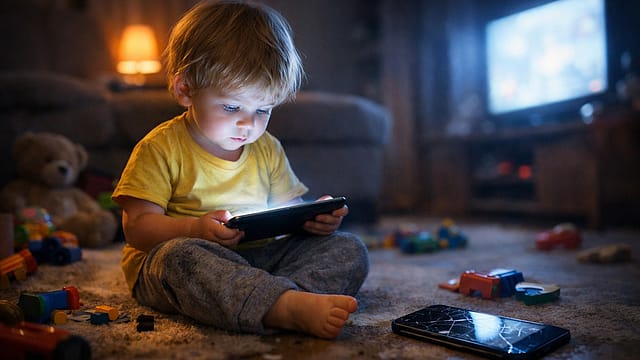
Screen time for children under five has moved from a parenting choice to a public health conversation - and the numbers are not reassuring.
Smartphones and tablets have become the default babysitters of the digital age.
For millions of parents, handing a child a glowing screen feels harmless. But pediatricians are increasingly vocal about what that shortcut is actually costing young, developing minds.
What Do the Guidelines Say?
According to OSF HealthCare, the American Academy of Pediatrics (AAP) recommends zero screen time for children under two (except video chatting with family), no more than one hour daily for ages two to five with a parent co-viewing, and no more than two hours for older children.

The Vanguard
21 Aug 2026 - Vol 05 | Issue 34
BJP Rearmed for 2029
Why Are the First Five Years So Critical?
OSF HealthCare pediatrician Dr Ameera Nauman opines that a child's neural networks develop most rapidly in the first five years.
Under two, language and literacy skills are better built through direct human interaction.
Reportedly, 96.6% of children aged zero to four at a US pediatric clinic had already used mobile devices, and 75% owned one.
Is Background TV Really That Harmful?
Yes. Even passive screen exposure matters.
A television running in the background can fragment a toddler's attention and disrupt play, even when the child is not actively watching.
What Happens to a Child's Body?
Mayo Clinic Health System links excessive kids' screen time to obesity, irregular sleep, and poor academic performance.
Sleep disruption compounds fatigue and increases snacking.
Children with bedroom screens consistently perform worse on academic assessments than those without.
Does It Affect Behaviour and Attention Too?
Children who exceed recommended screen time are more likely to develop emotional, social, and attention problems.
Exposure to video games has also been specifically linked to elevated attention difficulties in young children.
Can Screen Time Ever Be Beneficial for Children Under 5?
Co-viewed educational content is the key exception.
Between 18 and 24 months, screen use should be limited to educational programming watched alongside a caregiver.
What Practical Steps Are Parents Being Urged to Take?
Experts suggest that a family media plan is "a positive parenting tool" that guides what type of screen time is appropriate and when.
Screen-free bedrooms, no screens two hours before bedtime, and no eating in front of devices is recommended.
(With inputs from yMedia)