What’s Holding Up JD Vance’s Switzerland Mission for Iran Talks?
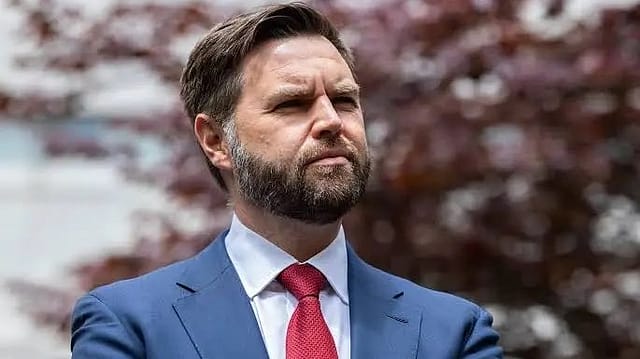
The planned trip of US Vice President JD Vance to Switzerland for technical discussions linked to the newly signed US-Iran peace agreement has been delayed, with the White House saying negotiations are still being finalised.
The development comes just days after US President Donald Trump and Iranian President Masoud Pezeshkian signed a ceasefire and peace framework aimed at ending hostilities and stabilising the region.
Why Has JD Vance’s Switzerland Visit Been Delayed?
A White House spokesperson said that although a US delegation is ready to travel, discussions over the structure and logistics of the upcoming talks have not yet been completed.
"As the Vice President said at his press conference, the plans for the upcoming technical talks have not been finalised, and the US delegation has been prepared to depart at the first available opportunity. But the logistics of these negotiations have never been simple or predictable," the spokesperson said.
Flood and Fury
04 Sep 2026 - Vol 05 | Issue 36
Devighat, Nepal, August 29, 2026
The spokesperson further clarified that Vance would not leave for Switzerland immediately.
"As of now, the Vice President is not departing tonight. We will let you know as soon as we have a concrete update about next steps. We look forward to beginning technical talks as soon as possible," they added.
The talks are expected to focus on the implementation of the broader peace framework agreed between Washington and Tehran.
Vance Says Peace Plan Is Already Delivering Results
Speaking at a press briefing, Vance argued that the agreement was already producing positive economic effects, particularly in global energy markets.
"The president's peace plan in Iran is already bearing real fruits for the American people. Last night, 12.5 million barrels of oil went through the Strait of Hormuz. That is a high since the beginning of the conflict. Oil prices are down nearly at their level from the pre-war conflict. Gas prices dropped below $4 a gallon today for the first time since the conflict. And importantly, they're going to keep falling further given how low oil prices are,” he said.
The Strait of Hormuz is one of the world's most critical oil transit routes, making its stability closely watched by global energy markets.
What Did Vance Say About Economic Benefits for Iran?
The US Vice President also pushed back against criticism that the agreement would provide significant financial benefits to Iran.
According to Vance, Tehran would receive no direct funding from Washington and any potential economic gains would depend on compliance with the agreement.
"The part of the peace plan, the part of this MoU that I think has been most misrepresented by certain parts of the media, is the idea that the Iranians get all these benefits. You will hear things about $300 billion or $24 billion or this or that number of money or amount of money. The simple fact is that the only way the Iranians get any of those resources--not a single penny, by the way, from the United States of America under any circumstances--but the only way that they would ever get any benefit of the bargain is if they comply fully and change their behaviour," the US vice president said.
Trump Highlights Market Gains After Peace Deal
President Donald Trump also linked the agreement to positive economic indicators in the United States.
While speaking at a Medal of Honour Ceremony, Trump pointed to stock market performance and declining oil prices following the signing of the peace deal.
"I just want to say, though, the stock market just hit a new all-time high. Oil is dropping like a rock. Other than that, it's another day in paradise. I have no higher privilege than serving as the Commander in Chief of the US Armed Forces. I'm so proud of them. A 250-year tradition of the bravest and greatest heroes ever to walk the earth," he said.
What Happens Next?
The United States and Iran are expected to begin their first round of post-ceasefire technical discussions in Switzerland once logistical arrangements are finalised.
The talks follow the ceasefire agreement signed virtually on June 17 by Trump and Pezeshkian and are seen as a crucial step in translating the political agreement into practical implementation measures.
With both sides preparing for negotiations, attention is now focused on whether the technical talks can sustain momentum and help deliver a more durable peace framework between Washington and Tehran.
(With inputs from ANI)