Visa Changes Not India-Specific, Part of Global Overhaul: Marco Rubio
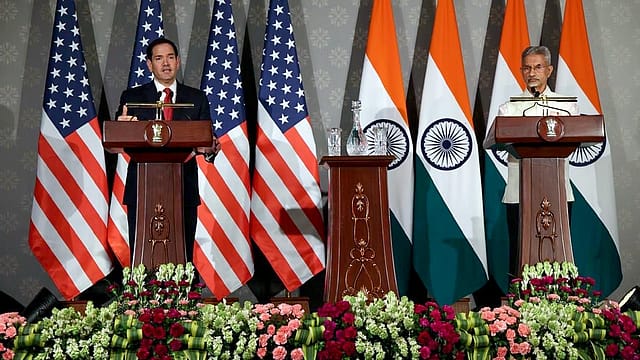
US Secretary of State Marco Rubio on Sunday addressed concerns regarding adjustments to the American visa system, clarifying that current changes are part of a global "modernisation" effort rather than measures targeted specifically at India.
Speaking at a joint press conference with External Affairs Minister S Jaishankar, Rubio reaffirmed the immense value the Indian community brings to the United States.
He highlighted that Indian companies have invested over $20 billion into the US economy. He expressed a clear desire for this partnership to continue and expand.
He said Washington wants Indian investment in the US to keep rising even as it reforms how it admits foreign nationals.
"First of all, I accept the contribution that Indians have made to the U.S. economy. Over $20 billion has been invested in the US economy by Indian companies. We want that number to continue to increase," Rubio said.
How Do US Visa Reforms Reflect National Sovereignty and Immigration Policy Priorities?
Addressing concerns about J1, F1, and H-1B visas, Rubio stated, "The changes that are happening now... are not India-specific; it is global, it's being applied across the world."

Open Minds 2026
26 Jun 2026 - Vol 05 | Issue 26
The power of ideas and arguments in 50 portraits
Rubio underscored that immigration policy is a matter of national sovereignty. He explained that every country must design its systems to reflect its own national interests, ensuring the process remains sustainable and efficient.
He stressed that the visa adjustments are worldwide in scope.
Rubio linked the reforms to a broader crisis the US has faced at its borders. "We've had a migratory crisis in the United States. This is not because of India, but broadly, we have had over 20 million people illegally enter the United States over the last few years, and we've had to address that challenge," he said.
"Everything that you do as a country needs to be in your national interest, and that includes your immigration policy,” he added.
While defending the need for reform, he described America as open to legal immigration. "The United States, I believe, is the most welcoming country in the world for immigration. Every single year, a million people, roughly, become permanent residents of the United States and contribute greatly," Rubio said.
"My parents entered the United States as permanent residents in 1956 from Cuba. It's a process that's enriched us,” he added.
He said the system must evolve with time. "But it has to be a process that's adjusted in every era to the realities of the modern times in which you live. We are, and it's long overdue," he said.
(With inputs from ANI)