Trump May Be Ready to Trade the Nuclear Deal for Hormuz
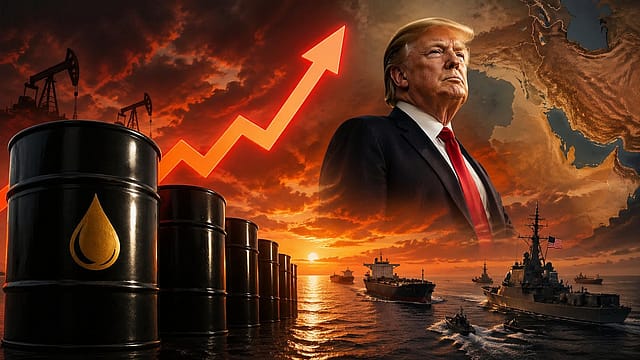
The endgame may be getting simpler. And far more complicated. According to The Wall Street Journal, US President Donald Trump has privately told senior aides that Washington could abandon its push for a formal nuclear agreement with Iran if Tehran fully reopens the Strait of Hormuz. The reported calculation is striking: if the waterway is reopened, the nuclear issue could take a back seat and Trump could present the outcome as a US victory.
But Tehran is asking for a price that Washington may find difficult to accept. Iran has demanded an end to the US naval blockade, withdrawal of American forces from the region, removal of sanctions, access to frozen Iranian assets and compensation for wartime damage. Iranian officials have also demanded an end to US military threats and attacks on Iranian allies in the region. That puts the Strait, rather than the nuclear programme, at the centre of the diplomatic chessboard.
Rise of the Pivotal Power
18 Sep 2026 - Vol 05 | Issue 38
The BRICS declaration is a strategic victory for Modi
Why does Hormuz matter so much?
Because the narrow waterway has become Iran's biggest source of leverage. The strait is one of the world's most important energy corridors, and disruption has already rattled shipping and pushed energy markets higher. Trump has repeatedly claimed that Hormuz is open, but Tehran has maintained restrictions on vessels linked to the US and its allies. Washington has rejected both the restrictions and Iranian attempts to impose tolls on commercial shipping. The longer that confrontation continues, the harder it becomes for Trump to claim that the conflict has produced a clean victory.
Why might Trump be willing to drop the nuclear demand?
The WSJ report suggests Trump believes Iran's nuclear capability can be contained even without a new formal agreement. The US has already struck major Iranian nuclear facilities, and Trump has argued that any attempt by Tehran to rebuild its nuclear programme could be detected and targeted again. That creates an alternative calculation for Washington: if Iran gives up its most immediate source of leverage by reopening Hormuz, Trump may decide that a formal nuclear deal is no longer worth holding out for.
What's stopping a deal?
Money. Iran wants billions of dollars in war reparations and the release of frozen overseas assets. Washington has previously rejected the idea of handing American taxpayer money to Tehran, but officials cited by the WSJ reportedly acknowledge that some unfreezing of Iranian assets could become part of a settlement. Sanctions relief is another sticking point. Iran wants to resume international oil sales, while Washington has used energy sanctions as one of its principal tools of pressure. So, the emerging bargain could look something like this: Hormuz for sanctions relief, frozen assets and an end to military pressure. Whether either side is prepared to pay that price remains the big question.
Is Trump under pressure to end the conflict?
There is a domestic calculation too. With US petrol prices still elevated, the administration has an incentive to show American voters that the military campaign has delivered results, particularly with the US midterm elections approaching. Trump has recently suggested that a deal with Iran could be imminent and has also publicly framed the conflict as a victory. Vice President JD Vance, however, has signalled that Washington is not ready to ease the pressure. "We're in the middle of the game," Vance said, adding that the US would continue applying pressure while seeking to increase oil and gas supplies and bring down American energy prices.
So, what happens next?
The nuclear file may no longer be the only, or even the central, measure of whether this confrontation ends. Hormuz is now the bargaining chip. If Iran fully reopens the waterway, Trump could have a politically useful exit: declare victory, restore energy flows and avoid the complications of negotiating a comprehensive nuclear agreement. But Iran is demanding something much bigger in return. That is why the next phase of the conflict may be less about missiles and more about what each side is willing to trade for the right to say it won.
(With inputs from ANI)