Trinidad and Tobago Set to Become First Caribbean Nation to Adopt India’s UPI
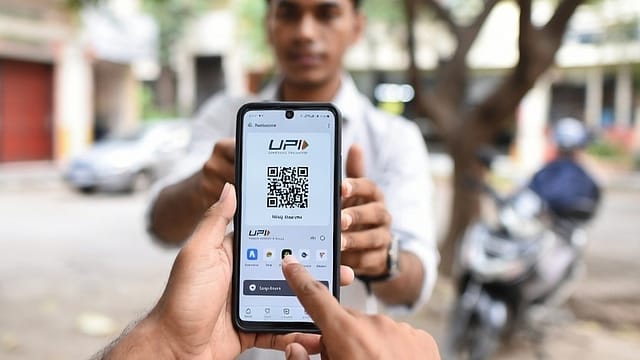
Trinidad and Tobago is working towards adopting India’s Unified Payments Interface (UPI), a move that would make it the first Caribbean nation to implement the digital payment technology, underlined its High Commissioner to India, Chandradath Singh.
Speaking at an event marking 50 years of Trinidad and Tobago becoming a republic, Singh said implementation was being actively pursued under an agreement between NPCI International Payments Limited (NIPL) and the country’s Ministry of Digital Transformation.
The initiative aims to establish a real-time digital payments ecosystem, he said. His remarks pointed to work towards implementation, rather than an operational launch.
Digital Payments Anchor Wider Partnership
Singh placed the UPI initiative within a broader expansion of bilateral ties, highlighting six memoranda of understanding and agreements signed during Prime Minister Narendra Modi’s recent visit to Trinidad and Tobago. These cover cooperation intended to strengthen people-to-people links, trade, investment and technical collaboration.

Losing Memory
16 Oct 2026 - Vol 05 | Issue 42
The making of a medical and social emergency
The two countries are marking 64 years of diplomatic relations, he said, alongside a historical connection stretching back to the arrival of Indian indentured labourers in Trinidad 181 years ago.
“The level of interaction and collaboration between our friends is strong and mutually beneficial to both of us,” Singh said.
Healthcare and education also feature in the partnership. Singh highlighted Trinidad and Tobago’s recognition of Indian Pharmacopoeia standards and an agreement to establish an Indian Chair on Ayurveda at the University of the West Indies. He also referred to India’s support through laptops for schoolchildren and medical assistance under the Jaipur Foot initiative.
Energy Producer Seeks Investment Beyond Oil and Gas
Singh said Trinidad and Tobago was seeking investment across energy, manufacturing, agriculture, tourism, biotechnology and creative industries as it worked to diversify its economy.
The country has been involved in the oil business since 1908 and remains a significant natural gas producer, he said, putting gas production at around 3.3 billion standard cubic feet a day over the past five years.
According to the envoy, energy accounts for an estimated 35.7 per cent of GDP and approximately 78 per cent of exports. He also highlighted projects involving Shell, BP, ExxonMobil and other companies, saying they represented investments worth hundreds of millions of dollars and could create jobs.
UN Security Council Role
Singh said Trinidad and Tobago had secured a non-permanent seat on the United Nations Security Council for 2027–28, receiving 181 votes out of 190 in a single round of voting. He thanked India for its support.
He identified illicit trafficking in small arms and light weapons, trafficking of women and children, and the implications of artificial intelligence for global security as areas of focus.
The envoy also emphasised the contribution of Indian-origin communities to Trinidad and Tobago’s public and cultural life, while describing cricket as an enduring link between India and the West Indies.
With inputs from ANI