‘Time for Diplomacy’: UN Chief Antonio Guterres Sends Strong Message to US, Israel, Iran
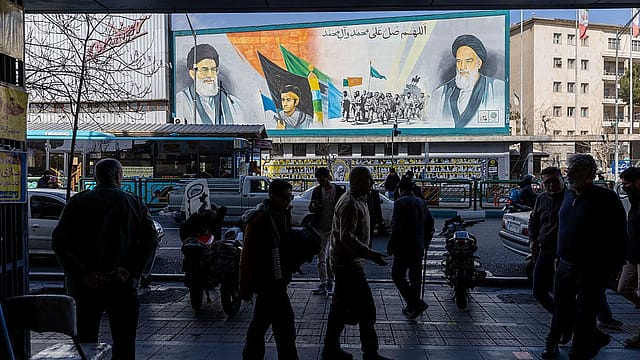
As tensions surge across West Asia following fresh Iranian strikes, global leaders are issuing urgent calls for restraint. With fears of a wider conflict mounting, the world is watching closely as diplomacy races against escalation.
The United Nations has issued a stark warning as tensions in West Asia intensify, with Secretary-General Antonio Guterres urging all sides to step back from the brink.
In a strongly worded post, Guterres said, “I have two clear messages: First, to the United States & Israel: It's high time to end this war that is risking to get out of control, causing immense suffering on civilians, with dramatic effects on the global economy & potentially tragic consequences, especially for the least developed countries.”

The Identity Project
11 Sep 2026 - Vol 05 | Issue 37
Amit Shah leads the mission for a national demographic correction
His remarks underline growing fears that the conflict could spiral into a broader regional crisis with devastating humanitarian consequences.
What message did the UN send to Iran?
Guterres also delivered a direct warning to Tehran, calling for an immediate halt to its regional strikes. He said, “Second, my message to Iran: Stop attacking your neighbours, they were never parties to the conflict. The Security Council has condemned these attacks, has ordered them to stop, as it has order to open the Strait of Hormuz. The prolonged closure of the Strait of Hormuz causes enormous pain for so many people around the world who have nothing to do with this conflict. It's time for the force of the law to prevail over the law of the force. It's time for diplomacy to prevail over war.”
The mention of the Strait of Hormuz highlights the global stakes, as disruptions there threaten energy supplies and economic stability worldwide.
Why is France pushing for a pause in strikes?
French President Emmanuel Macron echoed the urgency for calm, calling for an immediate halt to attacks on civilian infrastructure.
Macron wrote, “It is time to open a path towards de-escalation in order to restore stability in the Middle East. France calls for the immediate implementation of a moratorium on strikes targeting civilian infrastructure, whether related to water or to energy. Freedom and security of navigation must be restored.”
He added, “As the region enters a period of religious celebrations and renewal, tempers must cool and hostilities must cease, in order to give a real chance to the prospect of a negotiated and sustainable solution.”
His remarks reflect concerns that continued strikes on critical infrastructure could deepen humanitarian suffering and prolong instability.
How has the UK responded to the latest strikes?
UK Prime Minister Keir Starmer strongly condemned Iran’s latest attack, particularly a strike on a key gas facility in Qatar. Starmer said, “I condemn in the strongest terms the overnight Iranian strike on a Qatari gas facility. We are working towards a swift resolution to the situation in the Middle East, in the best interests of the British people, because there is no question that ending the war is the quickest way to reduce the cost of living.”
His comments tie the conflict directly to domestic economic pressures, highlighting how global instability is impacting everyday lives.
Can diplomacy still prevail over escalation?
The coordinated responses from global leaders signal a growing consensus: the situation is approaching a dangerous tipping point.
With rising threats to civilian safety, global trade routes, and energy supplies, the calls for restraint, restoration of navigation freedoms, and renewed diplomatic engagement have become more urgent than ever.
Whether these appeals can translate into meaningful de-escalation remains uncertain—but the stakes, both regional and global, have rarely been higher.
(With inputs from ANI)