Strobe Talbott: The Diplomat Who Helped Transform India-US Relations
On May 11, 1998 Strobe Talbott the US Deputy Secretary of State was having a normal day. A series of regular events, from West Asia to the Balkans and from Northern Ireland to Russia occupied his attention. India was nowhere on his list of concerns. He described that by noting how he skipped a feature on India in a newspaper that morning. In his words, “In government, it is said, the urgent drives out the merely important.” India, he said, was permanently stuck in that category.
That day changed that perception. India carried out a series of nuclear tests that morning, catching the American establishment by surprise. The news of those tests came from CNN and not some US official, making the day even worse.
Naysayers continue to deny that those tests changed India’s standing in the community of nations. But Talbott, who passed away on Thursday, was not among those people. Over the next years his engagements with Jaswant Singh, India’s External Affairs Minister at that time, changed the course of India-US relations. The nuclear agreement between the two countries still lay a decade into the future. But the path to improved ties with the US, and in turn that deal, was forged in no small measure by Talbott.
Hot Pursuit
27 Nov 2026 - Vol 01 | Issue 02
The Shah Doctrine of Internal Security
Engaging India: Diplomacy, Democracy and the Bomb recounted the story of how the US, and India as well, changed their mutual perceptions after more five decades of distrust and dislike. Even a couple of years before the tests, the American approach to the Indian “nuclear problem” was summed in a handful of words: cap, contain, and rollback.
That changed after Talbott and other American officials figured that India’s ambitions were not revisionist in any sense; they were largely defensive in nature.
Talbott, who was a journalist for long, had a much bigger plate as the second senior-most official at the State Department. But that did not close his mind to a rising India and the opportunities afforded by the new circumstances. The complexion of the Bill Clinton administration changed after those tests and the initial, very negative, conclusions about India after the tests. By the time Clinton, and Talbott, left government a new course had been charted.
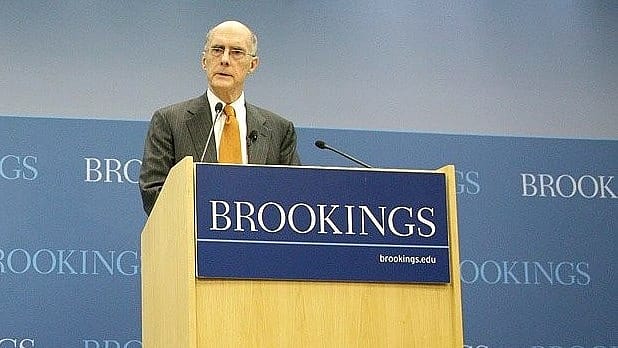
After leaving government, Talbott was the President of the Brookings Institution for 15 years. He was lifelong Russia specialist and had a role in managing the fallout of the Soviet Union’s disintegration. His memoir of that time The Russia Hand: A Memoir of Presidential Diplomacy has insights that remain valuable in understanding the current impasse between the West and Russia. The expansion of NATO to Russia’s borders and the manner in which that was done remains a controversial subject even to this day. Scholars have pored over “evidence” whether there was an agreement of “thus far but no further” on NATO and Russia. But as in so many facets of diplomacy and high politics, such quests are futile.
Strobe Talbott (1946-2026)