Special Relationship, Not So Special Anymore? Inside Trump and Starmer’s Breaking Bond
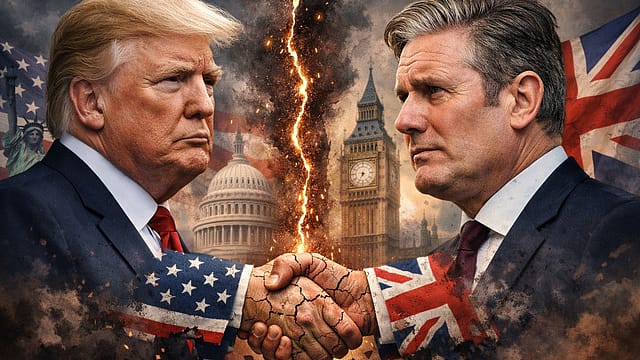
The transatlantic alliance that once defined Western diplomacy is under its most public strain in years.
Keir Starmer's refusal to join the US-led Iran conflict has triggered a diplomatic dispute with Donald Trump that now carries tangible economic and strategic consequences for Britain.
What Set Off the Trump-Starmer Standoff?
The rupture dates to late February 2026, when the US entered into military conflict with Iran and expected allied participation.
Donald Trump called for British involvement. Keir Starmer declined, calling it "not our war." That single refusal escalated into the most visible diplomatic dispute between Washington and London in recent memory.
Did Trump Question the Special Relationship?
In a Sky News interview on 15 April, Trump said of Britain: "When we needed them, they were not there. And they still aren't there."

Losing Memory
16 Oct 2026 - Vol 05 | Issue 42
The making of a medical and social emergency
Asked to characterise the special relationship, Trump reportedly responded: "With who?" adding it had "been better, but it's sad."
Why Is Keir Starmer Refusing to Join the Iran Conflict?
Starmer has been categorical in Parliament, stating: "I'm not going to yield. It is not in our national interest to join this war and we will not do so."
Chancellor Rachel Reeves reportedly told The Mirror she was "not convinced this conflict has made the world a safer place."
Is Britain's Trade Deal With the US Now on the Line?
The UK was the first country to sign a tariff agreement with Trump after his 2025 return to office, cutting import taxes on British cars, aluminium, and steel.
Trump has since warned the deal "can always be changed," a statement trade observers are watching closely.
How Hard Has Trump Hit at Keir Starmer Personally?
Trump has labelled Keir Starmer "no Winston Churchill" and called British immigration and energy policies "insane," pushing the dispute beyond policy friction into something harder to walk back.
How Is Downing Street Trying to Hold Things Together?
A spokesperson stated the special relationship is "far bigger than any individual issue."
The upcoming state visit by King Charles is positioned as a stabilising signal above the current leadership tensions.
What Could This Cost Britain in the Long Run?
The economic signals are registering. According to the IMF's latest World Economic Outlook, UK growth for 2026 has been revised to 0.8%, down from 1.3% projected in January, with the conflict a cited factor.
The shelved Chagos Islands deal adds further unresolved pressure.
Keir Starmer may be holding a principled line. What matters now is what that costs Britain at the negotiating table ahead.
(With inputs from yMedia)