QUICK TAKE | US Midterm Elections: Is the Necktie Dead? Seven Things to Know
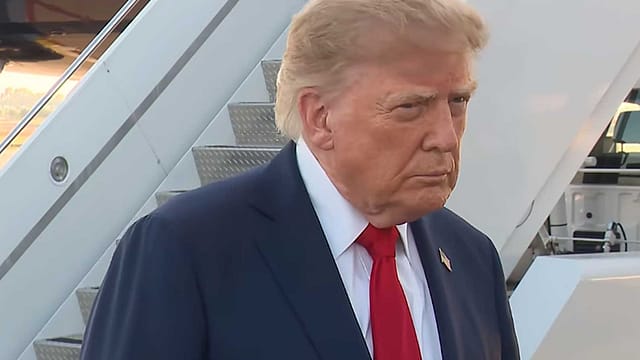
1. Why are politicians loosening up?
Ahead of the November 3 US midterms, candidates are embracing open collars, workwear and cowboy boots. A BBC report explores how dressing down helps them project familiarity while seeking votes.
2. Who started this knotty business?
The tie’s ancestry runs through the cravat, a neckcloth associated with Croatian soldiers in seventeenth-century France. Their style caught the attention of the French court and entered civilian fashion.
3. How did cloth become a qualification?
The slimmer modern tie spread with the nineteenth-century office workforce. Alongside dark suits, it offered colour and individuality. School and club patterns could signal membership. Its association with competence was learned.
4. Can you campaign without one, then need it at work?
Yes. In September 2023, the US Senate adopted a dress-code resolution specifying a coat, tie and long trousers for men on its floor. Campaign fashion and institutional requirements can differ.
Look Who's Talking Regime Change
23 Oct 2026 - Vol 05 | Issue 43
5. Could losing the tie save electricity?
Spain’s then prime minister, Pedro Sánchez, urged people to skip unnecessary ties in July 2022. His argument: comfortable clothing could reduce demand for air-conditioning. The appeal did not establish how much electricity an abandoned tie saved.
6. Has it always been a men’s club?
Women have worn ties since the late nineteenth century, including for outdoor activities and office uniforms, according to the New Zealand Fashion Museum. Marlene Dietrich and Diane Keaton later helped make them fashion statements.
7. Why does India know this drill?
Many encounter the tie through school rules. DPS Mathura Road, for example, lists it as compulsory in its senior-wing winter uniform for boys and girls. Sometimes, the institution decides how tightly tradition holds.