PM Modi speaks to Saudi Crown Prince amid West Asia crisis, stresses secure shipping routes
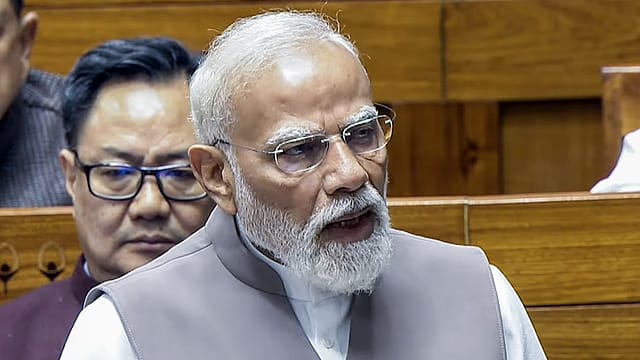
As tensions intensify across West Asia involving the United States, Israel, and Iran, Prime Minister Narendra Modi has stepped up diplomatic outreach, speaking directly with Mohammed bin Salman, the Crown Prince and Prime Minister of Saudi Arabia.
The conversation comes at a time when the region faces mounting military escalation, threats to energy infrastructure, and growing concerns over maritime security.
What did PM Modi and the Saudi Crown Prince discuss?
During the call, PM Modi underscored India’s concerns about attacks on critical infrastructure and the need to maintain stability in global trade routes.
In a post on X, he said: “Spoke with Crown Prince and PM of Saudi Arabia, HRH Prince Mohammed bin Salman and discussed the ongoing conflict in West Asia. I reiterated India's condemnation of attacks on regional energy infrastructure. We agreed on the need to ensure freedom of navigation and keep shipping lines open and secure. Thanked him for his continued support for the welfare of the Indian community in Saudi Arabia.”
The emphasis on shipping lanes is particularly significant, given that disruptions in West Asia directly impact global oil supply chains and trade flows—areas crucial for India’s economic stability.
How serious is the escalation in West Asia right now?
The PM Modi–MBS conversation is part of a broader diplomatic push as the conflict widens. Iran has made fresh claims of military action, further raising tensions.
According to Iran’s state-linked Fars News Agency, Iranian forces targeted alleged US positions in Dubai. A spokesperson for the Central Headquarters of Hazrat Khatam al-Anbiya claimed that US personnel had relocated to these sites following earlier strikes.

Open Minds 2026
26 Jun 2026 - Vol 05 | Issue 26
The power of ideas and arguments in 50 portraits
The spokesperson alleged that over 500 US troops were present across two locations and that Iran carried out missile and drone strikes causing heavy casualties.
The rhetoric has also intensified sharply. The spokesperson said: “Trump and the commanders of the US Army must have fully understood that the region will turn into a graveyard for American soldiers, and they will have no choice but to surrender to the divine will of the heroic people and the brave warriors of Islam."
These claims have not been independently verified.
What are the United States’ next steps?
Amid the escalating situation, the United States appears to be preparing for a potential expansion of its military footprint in the region.
Reports suggest that the Pentagon may deploy elements of the 82nd Airborne Division, including command units and ground forces. There are also indications that a possible ground operation targeting Iran’s Kharg Island is under consideration.
In response, Iran is believed to be reinforcing its defenses around the island, including laying mines and mobilising additional forces.
Why does this matter for India and the world?
India has significant stakes in West Asia, from energy imports to the welfare of millions of Indian expatriates in the Gulf. Any disruption in shipping routes or escalation into a wider conflict could have far-reaching economic and geopolitical consequences.
By engaging directly with Saudi Arabia, one of the region’s most influential players, Modi’s outreach signals India’s attempt to balance diplomacy, protect its interests, and push for stability in a rapidly deteriorating situation.
(With inputs from ANI)