NATO Chief Mark Rutte Says Europe ‘Got the Message’ on Defence Spending Amid US Pressure
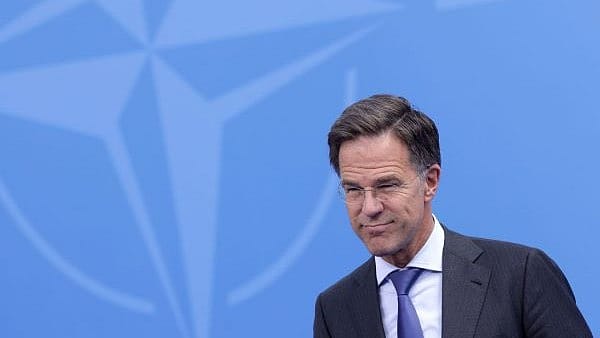
NATO Secretary General Mark Rutte has stated that European nations have "gotten the message" from the United States regarding their military contributions, according to Al Jazeera.
The NATO chief indicated that allies are now moving to ensure that "agreements on the use of military bases are being implemented" across the continent.
These remarks follow recent assertions from US President Donald Trump, who has accused certain NATO members of failing to provide sufficient backing to Washington amidst the ongoing conflict with Iran.

The Health and Wellness Issue
25 Sep 2026 - Vol 05 | Issue 39
Addressing the media at a European Political Community summit held in Armenia, Rutte acknowledged that while there had been friction between the trans-Atlantic partners, European capitals were now taking Washington's concerns seriously.
"Yes, there has been some disappointment from the US side, but Europeans have listened," Rutte told reporters, as reported by Al Jazeera.
How will Donald Trump’s plan to cut US troops in Germany impact NATO ties?
This atmosphere of strategic pressure has prompted a shift in rhetoric from key European capitals, notably in Germany, where Chancellor Friedrich Merz has recently reaffirmed the importance of the trans-Atlantic bond.
Merz described the United States as Germany's "most important partner in the North Atlantic Alliance," a statement that comes just days after he had criticised Trump's handling of the conflict in West Asia.
The Chancellor's remarks coincide with a move by the White House to scale back its military footprint in Europe.
Trump recently announced plans to reduce the US military presence in Germany by significantly more than the 5,000 troops previously designated for withdrawal by the Pentagon.
In an attempt to find common ground amidst the troop withdrawal, Merz posted on X that both nations "share a common goal: Iran must not be allowed to acquire nuclear weapons."
This serves as a pivot from his earlier stance in April, when he suggested that the Trump administration was being outplayed in negotiations aimed at ending the conflict and reopening the Strait of Hormuz.
However, the personal and political rift between the two leaders appears to be deepening.
Trump recently responded to the Chancellor's criticisms during an executive order signing event in the Oval Office, stating that the "German chancellor is doing a terrible job" and suggesting he focus on domestic issues such as immigration and energy.
According to Trump, he confronted Merz regarding the Iranian nuclear threat, asking, "Would you like Iran to have a nuclear weapon?" When the Chancellor replied in the negative, Trump retorted, "Well then, I guess I'm right."
(With inputs from ANI)