UN Warns of “Unprecedented” Crisis as 20,000 Seafarers Stranded in Persian Gulf
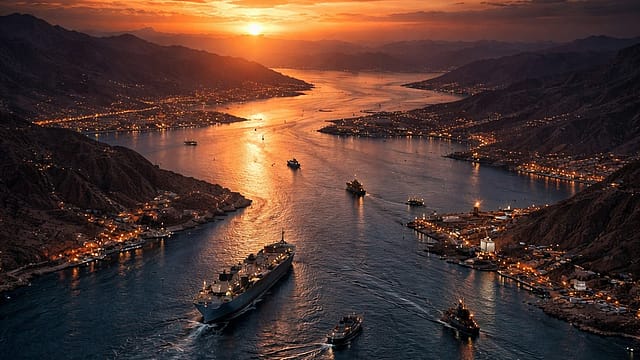
A grave humanitarian emergency is rapidly escalating in the Persian Gulf, where nearly 20,000 seafarers remain stranded aboard vessels amid intensifying geopolitical tensions and a tightening naval blockade. According to CNN, the United Nations has issued a stark warning, describing the situation as an “unprecedented” crisis triggered by the effective closure of the Strait of Hormuz.
Maritime workers—many hailing from economically vulnerable nations—now find themselves trapped in a dangerous limbo, caught between commercial pressures from ship owners and the ever-present threat of drones, sea mines, and military escalation. With limited legal protections and few safe exit routes, their plight underscores the human cost of geopolitical conflict.
“An Unprecedented Situation”
The scale and severity of the disruption have alarmed global maritime authorities. Damien Chevallier, director of the Maritime Safety Division at the UN’s International Maritime Organization (IMO), underscored the gravity of the crisis.
"It is an unprecedented situation," Chevallier remarked. "We have around 20,000 seafarers in the Gulf for now close to eight weeks. It is a humanitarian crisis. We have never faced such a situation,” he said.
With Iranian ports effectively turning into high-risk zones and strict visa barriers across Gulf nations, most sailors remain unable to disembark. The result is a complete operational paralysis in one of the world’s most critical shipping corridors.

Open Minds 2026
26 Jun 2026 - Vol 05 | Issue 26
The power of ideas and arguments in 50 portraits
A Strategic Chokepoint Turns Hostile
The crisis is rooted in a deepening geopolitical standoff. Iran’s attempt to regulate navigation for “friendly” nations—reportedly in exchange for fees—has been countered by a US-led naval blockade targeting vessels linked to Iranian ports.
This confrontation has choked maritime traffic through the Strait of Hormuz, a vital artery for global energy supplies. Chevallier noted that "around 800 to 1,000 vessels would like to sail through the Strait of Hormuz to evacuate the area," highlighting the scale of the bottleneck.
Life Aboard: Scarcity, Fear, and Desperation
For those stranded, conditions onboard are deteriorating rapidly. The case of the Auroura, a sanctioned oil tanker with an all-Indian crew, reveals the harsh realities. Shortages of food and fresh water have become acute.
Manoj Yadav, a union organiser with the Forward Seamen's Union of India, described the dire situation: "the crew is facing shortages of basic supplies," adding that "they want to go back home. The situation on this vessel is not good."
In more extreme cases, survival has taken desperate forms. Captain Isdik Alam, stationed on another stranded vessel, painted a grim picture: crews are "collecting water from the air-conditioning drains just to wash and survive."
Abandonment and Intimidation at Sea
The crisis extends beyond logistical challenges into systemic neglect. The International Transport Workers' Federation (ITF) reports that many cases of “repatriation” have effectively turned into “abandonment,” with some seafarers going unpaid for nearly a year.
Mohamed Arrachedi of the ITF revealed a troubling pattern: "there are a lot of cases of intimidation. Some shipowners just get furious," with seafarers often being "verbally threatened."
Onboard the Auroura, tensions escalated when the owner allegedly accused the crew of "hijacking his vessel... sabotaging his vessel" after they sought permission to leave.
Under Fire and Forgotten
The dangers are not merely theoretical. The Auroura was struck by drones while anchored off the UAE, validating fears of imminent attack. Crew members later reported to the United Kingdom Maritime Trade Operations (UKMTO) that they were "effectively stranded onboard under unsafe conditions."
Though some sailors have managed to return home via Oman, thousands remain trapped in perilous waters, uncertain of when—or if—they will escape.
“I Am Not a Warrior”
Beyond the geopolitical maneuvering lies a profound human tragedy. Seafarers, whose lives are typically defined by the rhythms of the ocean, now face threats far beyond their profession.
"I am not a warrior. I am a seafarer," said Captain Alam. "I'm not scared of the sea... I'm scared of missiles and attacks."
His words capture the essence of a crisis where ordinary workers have become unwilling participants in a high-stakes global conflict.
(With inputs from ANI)