How the Iran War Drained the US Strategic Petroleum Reserve
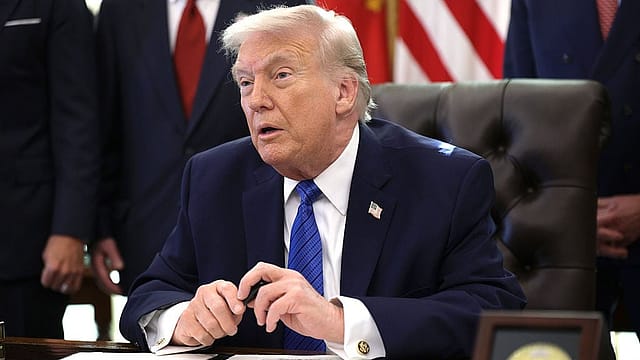
The United States' emergency oil stockpile has dropped to its lowest level in more than four decades as the Trump administration continues to release crude oil to shield consumers and the economy from the impact of the ongoing conflict with Iran.
Fresh federal data shows that the Strategic Petroleum Reserve (SPR), America's emergency crude oil stockpile, held 340.3 million barrels as of June 12, 2026. The level is now lower than the previous record low reached in July 2023 and marks the smallest reserve since July 1983.
What is the Strategic Petroleum Reserve?
The Strategic Petroleum Reserve was created to provide the United States with a safeguard against major disruptions in global oil supplies. Stored in vast underground caverns along the Gulf Coast, the reserve serves as an emergency source of crude oil during wars, natural disasters, or severe supply shocks.
The reserve is designed to help stabilize energy markets and protect consumers from sharp price spikes during crises.

Losing Memory
16 Oct 2026 - Vol 05 | Issue 42
The making of a medical and social emergency
Why Is the Reserve Shrinking?
According to federal data cited by CNN, US officials released another 8.9 million barrels from the reserve last week alone.
The drawdown is largely linked to efforts by the Trump administration to counter rising energy prices following the outbreak of war with Iran in late February. Since the conflict began, the reserve has lost about 75 million barrels, representing an 18 per cent decline.
At current levels, the SPR is now a little less than half full.
How Have the Releases Affected Oil Prices?
Energy analysts argue that emergency releases have helped prevent a much sharper rise in global oil prices despite geopolitical turmoil.
"The Strategic Petroleum Reserve releases, combined with releases by other governments and China reducing its exports, have prevented the Armageddon scenario of $150 oil from happening to date," the news report quoted Andy Lipow, president of Lipow Oil Associates.
The additional supply injected into global markets has helped cushion consumers and businesses from the full impact of the conflict.
Why Are Experts Concerned?
While the releases have helped contain prices, some experts warn that the shrinking reserve leaves the United States with less protection against future emergencies.
"If we were to get a major hurricane in the Gulf of Mexico that shuts production down for several weeks, that buffer would no longer be there," Lipow said.
The concern is particularly relevant as the Atlantic hurricane season progresses. Major storms affecting Gulf Coast oil infrastructure could create fresh supply disruptions at a time when emergency reserves are already depleted.
Could the Releases Slow Down?
Lipow noted that current release rates may not continue indefinitely.
He added that SPR releases may have to slow once the Trump administration finishes releasing the 172 million barrels it pledged to deploy in March.
A reduction in releases could remove one of the key tools currently being used to manage energy prices during the conflict.
A Political Reversal
The rapid drawdown has also highlighted a shift in political positions.
During his third presidential campaign in 2022, Donald Trump criticized then-President Joe Biden for releasing oil from the SPR ahead of that year's midterm elections. However, the current administration is now drawing down the reserve at an even faster pace ahead of the 2026 midterms.
The development has sparked debate over how emergency stockpiles should be used and when governments should prioritize market stability over long-term reserve levels.
Are Operational Limits Becoming a Concern?
Industry officials have begun warning that the reserve cannot be depleted indefinitely without affecting its effectiveness.
"The SPR must be at least 20% full to be operational," warned Mike Sommers, CEO of the American Petroleum Reserve, during an interview last week on CNN's The Lead. "We're raising alarm bells right now."
"We're getting to levels where we are starting to be concerned," Sommers added.
These warnings reflect fears that a continued decline could reduce the reserve's ability to respond effectively during a major national emergency.
What Happens Next?
The oil released from the Strategic Petroleum Reserve will eventually need to be replenished. However, replacing those barrels takes time and depends on market conditions and government policy.
According to the report, replenishment is unlikely to occur before the peak of hurricane season, leaving the United States more exposed to potential weather-related disruptions in the near term.
For now, the SPR remains a critical tool in Washington's response to energy market volatility. Yet as the reserve falls to levels not seen since the Reagan era, policymakers face growing questions about how much further they can rely on emergency stockpiles to manage global crises.
(With inputs from ANI)