From Basement Hobby to Internet Royalty: How Geek Culture Took Over the World

For decades, being called a geek was not a compliment. Today, it is practically a career.
Geek culture, built around deep-dive passions like video games, anime fandom, comic books, and technology, has moved from the margins of society to the centre of the internet. In 2026, it does not just exist online. It runs the place.
What Is Geek Culture and Where Did It Come From?
Geek culture is a lifestyle and community built around intense, specialised interests once considered niche or socially awkward. It thrived initially in small offline spaces like comic book stores and gaming arcades before the internet gave it a global stage. Forums, Reddit threads, and fan communities turned isolated hobbyists into a connected, creatively powerful network.
How Did Gen Z Turn Geekiness Into a Social Currency?
Gen Z did not just accept geek culture. They rebuilt it as a celebrated online identity. Anime fandom, cosplay, and fandom memes shifted from things people hid to things people built entire personal brands around. Questions like "Did the manga do it better?" are now standard Gen Z social conversation.
Did Marvel, Anime, and Gaming Make It All Mainstream?
The tipping point came when the niche became blockbuster. Marvel and DC films built billion-dollar franchises from comic book lore. Anime fandom exploded into a global entertainment force. Gaming evolved into a professional industry with e-sports athletes commanding fan bases comparable to traditional celebrities. Geek culture stopped being alternative. It became pop culture itself.
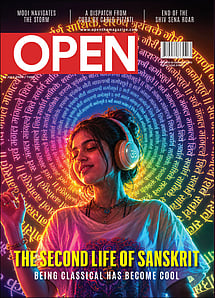
The Second Life of Sanskrit
10 Jul 2026 - Vol 05 | Issue 28
Being classical has become cool
Why Does the Internet Algorithm Favour Geek Culture Heavily?
Algorithms amplify what people engage with most passionately, and few communities engage more obsessively than geeks. Creators on YouTube and Twitch have built millions-strong audiences simply by going deep on lore, rankings, and game analysis.
What Makes Belonging Such a Powerful Driver of Its Growth?
Platforms like Discord and Reddit allow enthusiasts to find their communities instantly, turning solitary passions into highly connected global networks. For many, a shared love of a franchise functions as immediate social capital.
Is Geek Culture Now Simply Just... Culture?
Those unaware of Marvel storylines, gaming references, or anime characters are increasingly the ones considered out of the loop. Geek Pride Day, celebrated every year on May 25, now marks not a subculture but a dominant cultural force that shaped how an entire generation communicates and connects.
Passion was always the language of geek culture. It turns out the internet speaks nothing else.
(With inputs from yMedia)