EXPLAINED | Zaporizhzhia blackout: Why a shut-down nuclear plant still needs electricity
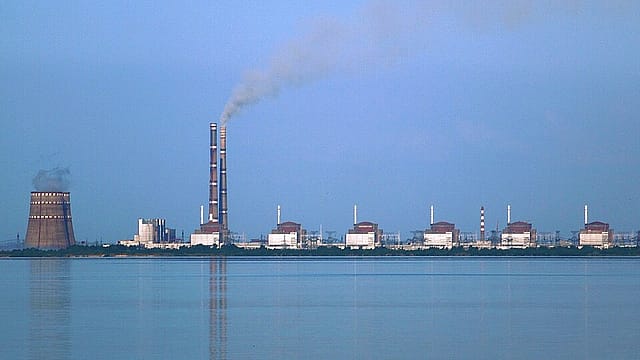
At 2.36 am local time on November 8, the last working power line into the Zaporizhzhia nuclear plant disconnected, according to Ukraine’s state nuclear company. The plant sits in Russian-occupied southern Ukraine. Its six reactors generate no electricity, so for several hours the power they needed to stay cool came from diesel generators on site. It was the 27th time the plant had lost all outside power during the war, according to the International Atomic Energy Agency, the UN’s nuclear watchdog.
What happened when the line went down?
The plant switched to emergency power. Energoatom, Ukraine’s state nuclear power company, said an automatic attempt to reconnect the line failed. The generators supplied power until the Ferosplavna-1 line was restored later that day. The IAEA said it did not know where or why the line disconnected. The plant’s Russian-installed management said radiation levels at the site and in the surrounding monitoring area were normal.

The Era of Forever Wars
30 Oct 2026 - Vol 05 | Issue 44
Coping with an explosive Middle East
What does it mean for the six reactors to be shut down?
They have stopped the chain reaction that produces the heat used to generate electricity. During normal operation, splitting uranium atoms releases heat. That heat is used to make steam, which spins a turbine connected to a generator. To shut the reactor down, operators insert control rods. The rods absorb neutrons, the particles that cause more atoms to split. By April 2024, all six reactors had been put into cold shutdown. Their cooling water had been brought to a much lower temperature and pressure than during operation. The fuel still needs to be cooled.
Where does the heat come from after shutdown?
Splitting uranium leaves behind radioactive fragments. Those fragments break down over time and release energy as heat. Engineers call this decay heat. It falls quickly at first and then more slowly. A reactor that has been shut down for months needs much less cooling than one that stopped this morning. Used fuel taken out of a reactor also gives off heat. At Zaporizhzhia, water in the spent-fuel pools cools fuel stored there and shields workers from its radiation.
What did the diesel generators actually keep running?
They powered equipment that carries heat away. Water flowing past the fuel picks up heat. Pumps keep that water moving. A heat exchanger, a piece of equipment that lets heat pass from one stream of water to another, helps carry the heat away from the reactor. Electricity also powers instruments that let operators check temperatures and water levels.
What if the generators stop as well?
If the plant loses the grid and its on-site supply of alternating current, the electricity that drives equipment such as large pumps, engineers call that a station blackout. Batteries can keep some controls and instruments working for a limited time. If the fuel goes without adequate cooling, the water around it can heat up and boil away. Given enough time, the fuel can overheat and be damaged. How fast that happens depends on how much heat the fuel is giving off and what cooling is still available. On November 8, the diesel generators kept supplying power.
Is this what happened at Fukushima?
Japan’s Fukushima Daiichi disaster in 2011 shows what can happen when the emergency power fails too. The earthquake cut outside power. Emergency diesels started, then the tsunami flooded generators and electrical equipment. As cooling failed in three recently operating reactors, fuel overheated and melted. Zaporizhzhia’s reactors have been shut down much longer and their diesel supply held through this outage. The shared problem is how to keep taking heat away when the usual supply of electricity is lost.
How long can Zaporizhzhia live on diesel?
It depends on how many generators are working, how much electricity the plant needs and whether more fuel can get through. An earlier outage shows why the last part matters. The grid connection failed on August 20 and stayed down until September 7. The plant relied on emergency generation while the IAEA brokered a local ceasefire to let crews repair the line. Those 18 days describe how long the plant managed in that episode. They give no countdown for the next one.
How does India prepare for this kind of power loss?
After Fukushima, India’s Atomic Energy Regulatory Board reviewed how plants would cope with a prolonged loss of electricity. Its March 2023 status report lists extra mobile diesel generators, some fixed generators installed higher up, portable pumps and more water stored on site. At Kudankulam in Tamil Nadu, it records additional water storage for Units 1 and 2. These measures give operators more ways to supply electricity or move cooling water if installed equipment is knocked out.
Which power line still needs to come back?
The main Dniprovska line. The line restored on November 8 was the Ferosplavna-1 backup connection. The IAEA’s October 23 update, cited by Reuters, said Dniprovska was still unavailable. An earlier IAEA report showed why repairs can take so long. Workers repaired part of that line, but damage at a substation more than 100 km from the repair site kept it from carrying power. Restoring Dniprovska would give operators a second route to the grid if Ferosplavna-1 fails again.