Everything You Need to Know About World Ovarian Cancer Day
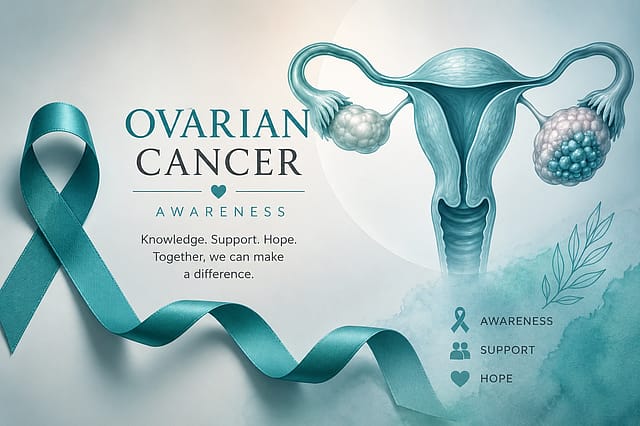
Today, May 8, marks World Ovarian Cancer Day, a global call to action against one of the most under-detected cancers affecting women. With symptoms that mimic everyday ailments, ovarian cancer is frequently diagnosed too late. This year's campaign wants to change that.
What Is World Ovarian Cancer Day?
World Ovarian Cancer Day is a global health observance held every year on May 8. First established in 2013 by ovarian cancer advocacy organisations worldwide, it brings together healthcare professionals, survivors, and caregivers to speak openly about ovarian cancer. According to the World Ovarian Cancer Coalition (WOCC), more than 200 partner organisations participate annually.
What Is the 2026 Theme and Why Does #NoWomanLeftBehind Matter?
The World Ovarian Cancer Day 2026 theme is No Woman Left Behind, continuing a multi-year WOCC campaign. It is a direct call to health systems and policymakers to close care gaps that cost lives. No woman's symptoms should be dismissed, and no woman should be denied quality care because of where she lives.
How Serious Is the Global Burden of Ovarian Cancer?
Approximately 314,000 women are diagnosed with ovarian cancer annually and around 207,000 die from the disease each year. According to the International Gynecologic Cancer Society, incidence is projected to rise by nearly 40 percent by 2040, with low-resource countries bearing the greatest burden.

The Liberation of Bengal
05 Jun 2026 - Vol 04 | Issue 74
A silent revolution ends the reign of fear
Why Is Ovarian Cancer So Hard to Catch Early?
Ovarian cancer symptoms frequently resemble common digestive or urinary issues, including persistent bloating, pelvic pain, and increased urinary urgency. A critical misconception is that a Pap smear detects ovarian cancer. It does not. A Pap smear screens for cervical cancer only.
Who Faces Higher Risk?
Women with a family history of ovarian or breast cancer, or known BRCA1 and BRCA2 gene mutations, face elevated risk. There is currently no routine screening test recommended for average-risk women without symptoms.
What Should You Do Today?
The WOCC encourages sharing stories through the #ReachForTheScars campaign, wearing teal ribbons, and amplifying awareness using #NoWomanLeftBehind and #WOCD2026. Every conversation that correctly names ovarian cancer symptoms moves someone closer to an earlier diagnosis.
(With inputs from yMedia)