‘Everything Up Front’: US Says Frozen-Assets Demand Sank Iran’s Hormuz Proposal
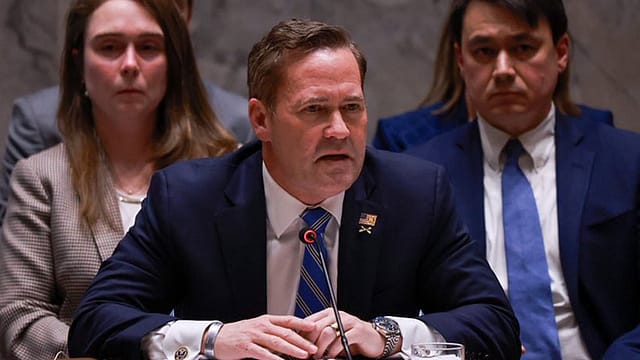
The United States rejected Iran’s seven-day proposal to reopen the Strait of Hormuz because Tehran demanded sanctions relief and access to billions of dollars in frozen assets before nuclear negotiations, US Ambassador to the United Nations Mike Waltz said on Sunday.
“They were asking for everything up front, with a promise that they would then talk,” Waltz told CNN’s State of the Union.
Iranian Foreign Minister Abbas Araghchi challenged that description, accusing Waltz of commenting on a document he had not read. The exchange exposed a public disagreement over the proposal’s terms as President Donald Trump left open the possibility of renewed strikes before November’s US midterm elections.
Waltz Calls Iran’s Terms Unacceptable
In a separate interview on NBC’s Meet the Press, Waltz described the proposal as “a pretty cynical attempt to put something on the table that they knew was unacceptable”.

Zeroing In on ECI
09 Oct 2026 - Vol 05 | Issue 41
Constitutional legitimacy versus political opportunism
He said the plan included demands for access to frozen funds and the lifting of sanctions, arguing that the restrictions reflected international concerns rather than Washington’s position alone.
“These aren’t just the United States’s sanctions,” he said. “These are global sanctions.”
Waltz cited UN Security Council resolutions concerning Iran’s nuclear programme and alleged that Tehran had obstructed international inspections and oversight of its uranium enrichment.
Despite rejecting the proposed terms, he said Washington would ultimately need “some type of agreement” with Iran. Trump, however, would keep all options available, he added.
Araghchi Disputes US Account
Appearing on Meet the Press, Araghchi directly challenged Waltz’s explanation.
“I am surprised that the ambassador is talking about a seven-day plan, as he has not read it,” he said. “Maybe he has not been given a copy.”
Araghchi said Trump’s rejection had not been formally conveyed to Tehran through the designated diplomatic channels. Iran remained willing to reopen Hormuz as part of a negotiated settlement, he added.
“We want our monies, our assets, which are illegally frozen, to be released. We want to be able to sell our oil,” he said.
He described those demands as consistent with a memorandum of understanding signed in June for a temporary ceasefire, which subsequently collapsed following reciprocal strikes.
Trump Says Pre-Midterm Strikes Are Possible
Speaking to Fox News on the sidelines of the PGA Tour Presidents Cup, Trump predicted that the conflict would be won “very soon” and that oil prices would then fall sharply.
Asked whether military strikes could resume before the midterm elections, he declined to rule out the possibility.
“I don’t want to say that. I don’t want to say that. I mean, it’s possible, but I just don’t want to say that,” he said.
Trump reiterated that preventing Iran from acquiring a nuclear weapon remained the central US objective. He also claimed Washington was succeeding through both military and economic pressure.
“We’ve already won it really from a military standpoint,” he said, adding: “But that doesn’t mean we’ve stopped that.”
Tehran Signals Readiness for Fighting and Talks
Araghchi said Iran was prepared for renewed hostilities, including what he called a “doomsday war”, but continued to support diplomacy.
“We don’t care about U.S. midterm elections. We care about our national interests. At the same time, we stand ready for diplomacy. It is up to President Trump to choose,” he said.
While expressing deep scepticism about returning to negotiations, he argued that opportunities for a settlement should still be pursued.
“But I am still trying diplomacy because I think we shouldn’t miss any chance for peace,” Araghchi said.
With inputs from ANI