Eight Dead After US Air Force B-52 Bomber Crashes Near Edwards Air Force Base
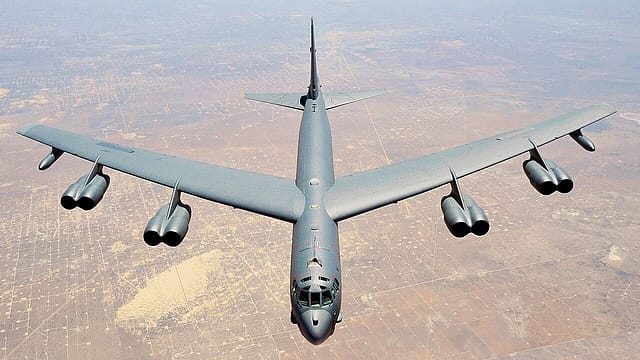
A US Air Force B-52 Stratofortress bomber crashed shortly after takeoff from Edwards Air Force Base in California's Mojave Desert on Monday, killing all eight people on board. The aircraft was conducting a routine test mission linked to a radar modernisation programme when the accident occurred.
Recovery operation underway after fatal crash
According to CNN, the bomber took off at around 11:20 am local time before crashing near Edwards Air Force Base, located northeast of Los Angeles. Air Force officials confirmed that all eight crew members aboard the aircraft are presumed dead.
The operation has now shifted from rescue efforts to recovery work as authorities continue to search the crash site and recover debris.
"It was tragic and unsurvivable," Colonel James Hayes said during a press conference, according to CNN.
Officials said emergency responders were deployed immediately after the incident, but the severity of the crash left no possibility of survival.

Greening the Future
23 Jul 2026 - Vol 05 | Issue 30
Securing a sustainable India
Investigation begins as families are notified
Base authorities reported that the crash generated a massive plume of black smoke visible from a considerable distance. Footage aired by CNN affiliate KCAL showed a large scorched area near the runway and lingering smoke, although identifiable sections of the aircraft were difficult to distinguish.
Chief Master Sergeant Joshua T. Skarloken said efforts were underway to notify the families of those killed in the crash. According to officials, the crew included military personnel, government civilians and government contractors.
Investigators have begun examining the circumstances surrounding the accident, while military operations at the base remain restricted.
B-52 was supporting radar modernisation programme
Air Force officials said the aircraft was flying a test mission in support of an ongoing radar modernisation initiative when it went down.
Although Edwards Air Force Base has reopened, normal operations have been suspended through Tuesday as investigators continue their work and recovery teams clear the crash site.
The B-52 Stratofortress remains one of the longest-serving aircraft in the US Air Force fleet. First entering service in 1955, the long-range strategic bomber continues to play a central role in the United States' military capabilities despite its age.
(With inputs from ANI)