Cranberries and Gut Health: Understanding the Benefits for Digestion
Digestive disorders are becoming increasingly common worldwide, with bacterial infections, inflammation, and imbalances in gut health contributing to a range of chronic conditions. Among the factors drawing attention from researchers is the role of diet in supporting digestive wellness.
Cranberries, long known for their nutritional value, are now being studied for their potential benefits in protecting the stomach and improving gut health. Research suggests that the fruit's unique compounds may help address some digestive challenges without replacing conventional medical treatments.
Why Is H. pylori a Major Digestive Health Concern?
One of the most common digestive health threats globally is infection by Helicobacter pylori, commonly known as H. pylori. The bacterium is carried by nearly half of the world's population and is particularly prevalent in India and several other Asian countries.
H. pylori infection is associated with chronic acidity, stomach inflammation, peptic ulcers, and an increased risk of stomach cancer. Treatment has traditionally relied on antibiotic therapy, but growing concerns over antibiotic resistance have encouraged researchers to explore complementary approaches that may support digestive health.

Greening the Future
23 Jul 2026 - Vol 05 | Issue 30
Securing a sustainable India
How Might Cranberries Help Against H. pylori?
Scientists believe cranberries may offer a unique advantage because they work differently from antibiotics.
A landmark double-blind, randomised, placebo-controlled trial involving 522 adults found that participants who consumed cranberry juice containing 44 milligrams of proanthocyanidins (PACs) twice daily for eight weeks experienced a 20 per cent reduction in H. pylori infection rates.
Rather than killing the bacteria directly, cranberries appear to prevent H. pylori from attaching to the stomach lining. This anti-adhesion effect may reduce the bacterium's ability to establish itself, lowering the risk of inflammation and infection.
Why Is the Anti-Adhesion Effect Important?
The anti-adhesion mechanism is significant because it does not place the same selective pressure on bacteria that antibiotics do.
As a result, cranberry consumption is not associated with the development of antibiotic resistance, a growing global public health concern. In countries where repeated antibiotic use is common, complementary dietary approaches that do not contribute to resistance may hold particular value.
The study also reported a high compliance rate of 94 per cent and no adverse effects among participants, suggesting cranberry products were generally well tolerated.
How Do Cranberries Support the Gut Microbiome?
Researchers are also exploring the impact of cranberries on the gut microbiome, the complex ecosystem of microorganisms that plays a crucial role in digestion, immunity, and overall health.
The fruit contains fibre and polyphenols that can function as prebiotics, helping nourish beneficial gut bacteria. Studies referenced in the Cranberry Institute guidebook suggest cranberries may support populations of beneficial bacteria such as Bacteroidetes while reducing harmful microbial strains associated with poor metabolic health.
These changes may contribute to improved microbial diversity, which is often considered a marker of a healthier gut environment.
What Role Does the Gut Barrier Play in Overall Health?
The gut barrier serves as a protective layer between the digestive system and the bloodstream. When functioning properly, it prevents harmful substances from entering the body while allowing nutrients to be absorbed.
A weakened gut barrier can allow toxins and inflammatory molecules to pass into circulation, potentially contributing to chronic inflammation. Scientists have linked this process to conditions such as diabetes, cardiovascular disease, and autoimmune disorders.
Research suggests that cranberries may help support gut barrier integrity while also encouraging the production of short-chain fatty acids, compounds that play an important role in maintaining digestive health and reducing inflammation.
How Are Digestion and Immunity Connected?
The digestive system is closely linked to the immune system. A healthy gut microbiome and an intact gut barrier help regulate immune responses, protect against harmful pathogens, and reduce chronic inflammation.
By supporting both microbial balance and gut barrier function, cranberries may contribute to a healthier digestive environment that benefits overall wellbeing.
How Can Cranberries Be Included in the Diet?
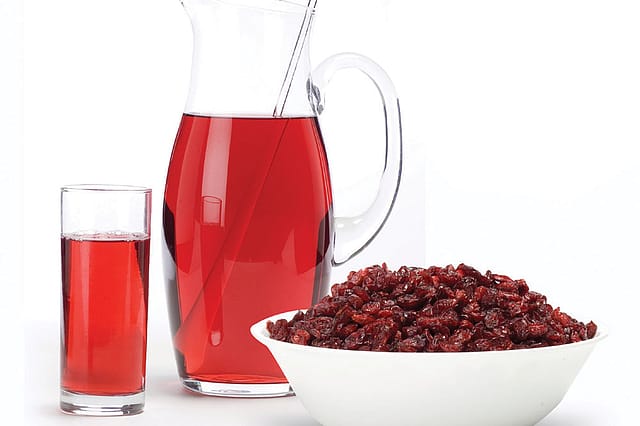
Researchers suggest that incorporating cranberry products into everyday meals may be a simple way to support digestive health. Options include drinking 100 per cent cranberry juice, adding dried cranberries to meals, or including cranberry-based foods as part of a balanced diet.
While cranberries are not a substitute for medical treatment, particularly in cases of confirmed H. pylori infection, they may serve as a complementary dietary tool alongside conventional healthcare approaches.
What Does Current Research Suggest?
Although research into cranberries and digestive health continues to evolve, existing studies point to several potential benefits. These include reducing H. pylori attachment to the stomach lining, supporting beneficial gut bacteria, strengthening gut barrier function, and helping manage inflammation.
As scientists continue to investigate the relationship between diet and digestive health, cranberries are emerging as a promising example of how everyday foods may contribute to maintaining a healthier stomach and gut.
(With inputs from ANI)